 ICE Spotted
ICE Activity in Texas 2026: Community Reports and Enforcement Hotspots
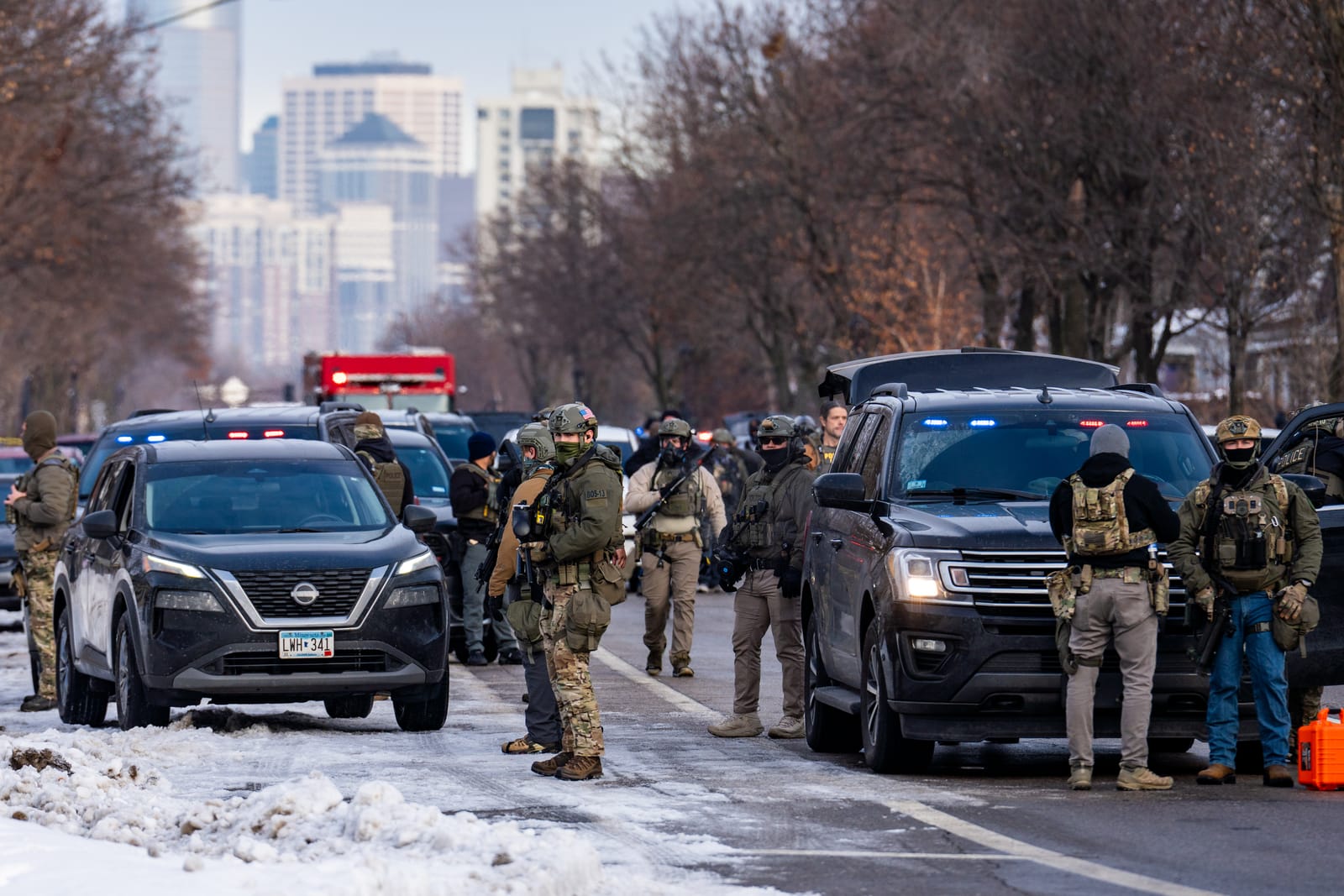
Texas occupies a unique position in the national immigration enforcement landscape. As the state with the longest stretch of U.S.-Mexico border — more than 1,200 miles — and home to an estimated 1.7 million undocumented immigrants, Texas is both a primary entry point for migration and a state where Immigration and Customs Enforcement (ICE) conducts some of its most intensive interior operations. Unlike California or New York, Texas has no sanctuary protections at the state level. Instead, the state government has actively partnered with federal authorities, creating an enforcement environment that community members describe as aggressive, widespread, and escalating.
In 2026, community reports submitted through ICE Spotted reveal that enforcement activity has reached new levels across the state. From the sprawling neighborhoods of Houston to the border communities of the Rio Grande Valley, Texans are reporting more frequent ICE operations, expanded checkpoint activity, and a growing presence of both federal and state law enforcement working in coordination. This article provides a detailed, region-by-region breakdown of where ICE activity is being reported in Texas, the legal landscape shaping enforcement, and what resources are available to communities affected by these operations.
Houston: The Highest Volume of Reports in Texas
Houston generates more ICE sighting reports than any other city in Texas, and it consistently ranks among the top five cities nationwide for community-submitted reports on ICE Spotted. The city's sprawling geography, enormous immigrant population, and lack of meaningful sanctuary protections make it a primary theater for ICE enforcement operations.
Community reports from early 2026 are concentrated in several key neighborhoods. The Third Ward, one of Houston's historically Black and increasingly Latino communities, has seen multiple reports of ICE vans conducting early-morning operations near residential complexes. In the East End, a predominantly Mexican-American neighborhood east of downtown, community members have reported agents stationed near taco trucks and day labor pickup points during morning rush hours. The Gulfton area — sometimes called Houston's most diverse neighborhood, with large Salvadoran, Honduran, and Guatemalan populations — has generated a particularly high volume of reports describing coordinated operations involving multiple unmarked vehicles.
In the greater Houston metro area, reports from Pasadena, Channelview, and Spring Branch describe ICE agents conducting what appear to be targeted enforcement operations at apartment complexes. Witnesses report agents arriving in groups of four to six vehicles between 5:00 AM and 7:00 AM, blocking parking lot exits, and approaching specific units. Multiple reports also describe ICE presence near the Harris County courthouse and at several Houston-area Greyhound and Megabus stations.
Houston Note: Harris County ended its 287(g) agreement with ICE in 2019, but the county jail still cooperates with ICE detainer requests for individuals charged with certain felonies. Community members should be aware that a trip to the Harris County jail for any reason — including minor offenses — may result in ICE contact.
Read the Houston local guide for a tighter page focused on apartment-complex operations, day-labor zones, Harris County courthouse movement, and bus-station reporting.
Dallas-Fort Worth: Targeting Day Labor Sites and Transit Hubs
The Dallas-Fort Worth metroplex is the second-largest source of ICE sighting reports in Texas. Community reports from 2026 indicate that enforcement activity is concentrated in several areas with high immigrant populations, particularly Oak Cliff, Irving, Grand Prairie, and the northern suburbs of Farmers Branch and Carrollton.
Oak Cliff, the large and predominantly Latino neighborhood south of downtown Dallas, has generated consistent reports of ICE vehicle sightings and targeted arrests. Community members describe unmarked SUVs and vans patrolling streets near the Jefferson Boulevard commercial corridor and parking in lots adjacent to churches and community centers. In Irving, which has a large South Asian and Latino population, reports describe agents conducting operations near day labor hiring sites along Belt Line Road and at apartment complexes off Story Road.
One pattern that stands out in DFW community reports is the targeting of public transit. Multiple reports describe ICE agents or individuals believed to be ICE agents stationed at DART (Dallas Area Rapid Transit) bus stations and light rail stops. The West Transfer Center in Oak Cliff and the downtown bus terminal near the Greyhound station have each been the subject of several reports in early 2026. Community observers note that agents appear to be watching for individuals who match specific descriptions, suggesting these are targeted operations rather than random sweeps.
Community Alert: Multiple community organizations in the DFW area report that ICE agents have been approaching workers at day labor sites in Irving and Grand Prairie. If you witness this activity, document what you see from a safe distance and submit a report through ICE Spotted. Workers at day labor sites have the same constitutional rights as anyone else — including the right to remain silent and to refuse consent to a search.
Read the Dallas–Fort Worth local guide for a narrower page focused on Oak Cliff, Irving, Grand Prairie, DART stations, and day-labor reporting patterns.
San Antonio: Sanctuary City Tensions
San Antonio presents a complex enforcement picture. The city has historically maintained a generally welcoming posture toward immigrants, and former police chief William McManus implemented policies limiting how San Antonio police interact with ICE. However, Texas state law — particularly SB 4, passed in 2017 — prohibits cities from adopting formal sanctuary policies and requires local law enforcement to cooperate with federal immigration detainers.
Community reports from San Antonio's West Side — a historically Mexican-American community — describe ICE vehicle sightings near public housing developments, schools, and health clinics. Reports from the near South Side describe agents conducting surveillance near the San Antonio Food Bank distribution sites. In the Lackland Air Force Base area, where the federal government has historically processed unaccompanied migrant children, community members report increased ICE and CBP vehicle activity on surrounding residential streets.
Despite the tension between the city's generally immigrant-friendly posture and state law requirements, San Antonio police have been observed in the vicinity of ICE operations in several community reports. Whether these represent active cooperation or simply coincidental presence remains a subject of debate among local advocacy organizations.
Read the San Antonio local guide for a narrower page focused on West Side, South Side, Lackland, and the local impact of SB 4 on service-site reporting.
El Paso and the Rio Grande Valley: The Border Region
The Texas border region — from El Paso in the far west to Brownsville at the state's southern tip — represents a fundamentally different enforcement environment from interior Texas cities. Here, ICE operations overlap extensively with Customs and Border Protection (CBP) and U.S. Border Patrol activity, creating a dense federal law enforcement presence that community members navigate daily.
In El Paso, community reports describe ICE ERO (Enforcement and Removal Operations) teams conducting interior enforcement operations throughout the city's central and lower valley neighborhoods, areas with deep cross-border family and economic ties. The El Paso Processing Center, a major ICE detention facility, generates significant enforcement-related vehicle traffic that community members frequently report. Reports also describe checkpoint-style operations on Highway 54 north of El Paso and along Interstate 10 east of the city.
The Rio Grande Valley — encompassing McAllen, Brownsville, Harlingen, and Edinburg — is one of the most heavily patrolled regions in the United States. Community reports from McAllen describe ICE operations near the McAllen Central Processing Center, a major facility where apprehended migrants are processed. In Brownsville, reports describe agents operating near bus stations used by recently released asylum seekers. Throughout the Valley, community members report frequent encounters with both ICE and Border Patrol agents at interior checkpoints on Highway 77 and Highway 281, which are located 70 to 100 miles north of the border and affect anyone traveling north from the region.
Border Region Note: Within 100 miles of the U.S. border, Border Patrol has expanded authority to conduct stops and checkpoints. In the Rio Grande Valley, nearly every major highway has a permanent or semi-permanent checkpoint. Community members should know their rights at these checkpoints: you must stop, but you are not required to answer questions about your citizenship or immigration status beyond what is necessary for the agent to briefly assess your situation.
Read the Rio Grande Valley local guide for a narrower page focused on checkpoints, processing-center proximity, bus-terminal movement, and mixed DPS–ICE staging.
Read the El Paso local guide for a far-west border branch focused on lower valley neighborhoods, detention-facility traffic, Highway 54, and I-10 movement.
Texas State Law: SB 4, Operation Lone Star, and No Sanctuary Protections
Texas stands in stark contrast to states like California and New York when it comes to the legal framework surrounding immigration enforcement. The state has no sanctuary protections whatsoever. Instead, it has enacted laws and programs that actively facilitate cooperation between state, local, and federal immigration authorities.
SB 4, enacted in 2017, is the cornerstone of Texas's anti-sanctuary legal framework. The law prohibits local government entities — including cities, counties, and university police departments — from adopting policies that limit cooperation with ICE. It requires local law enforcement to comply with ICE detainer requests and allows officers to inquire about the immigration status of anyone they lawfully detain, including during routine traffic stops. Local officials who fail to comply can face criminal penalties, including removal from office.
In addition to SB 4, Governor Greg Abbott's Operation Lone Star has deployed thousands of Texas National Guard troops and Department of Public Safety (DPS) troopers to the border region since 2021. While Operation Lone Star is primarily a state initiative focused on border interdiction, community reports indicate that DPS troopers operating under the program frequently coordinate with ICE agents on interior enforcement operations. Multiple community reports from the Rio Grande Valley describe joint DPS-ICE vehicle convoys and operations at shared staging areas.
The practical effect of this legal landscape is that immigrants in Texas face a more hostile enforcement environment than in most other large states. Local police can and do ask about immigration status. Jails routinely honor ICE detainers. And state resources are actively deployed in support of federal immigration enforcement.
How to Report ICE Sightings in Texas
If you witness ICE enforcement activity anywhere in Texas, your report helps the community stay informed and prepared. When documenting a sighting, include as much detail as possible:
- Location: City, cross streets, or nearby landmarks. Be as specific as you can.
- Time: When you observed the activity, and whether agents appeared to be arriving, actively conducting an operation, or departing.
- Vehicles: Number, type (van, SUV, sedan), color, and whether they had government plates, visible markings, or appeared unmarked.
- Agents: Number of agents visible, what they were wearing (tactical gear, plainclothes, vests with markings), and what they appeared to be doing.
- Other agencies: Whether local police, DPS troopers, Border Patrol, or other agencies appeared to be involved.
You can submit a report using the anonymous form below or through the ICE Spotted homepage. All reports are anonymous — no IP address, name, or identifying information is collected.
Legal Resources for Texas Residents
While Texas does not offer the same level of legal protection for immigrants as sanctuary states, there are important organizations providing legal assistance and community support across the state:
- RAICES (Refugee and Immigrant Center for Education and Legal Services): Based in San Antonio with offices across Texas, RAICES is the largest immigration legal services provider in the state, offering free and low-cost legal representation for detained individuals and families.
- Texas Civil Rights Project: Operates in the Rio Grande Valley and throughout Texas, providing legal representation and advocacy for immigrants facing enforcement actions and civil rights violations.
- LUPE (La Union del Pueblo Entero): Based in the Rio Grande Valley, LUPE organizes colonias residents and provides know-your-rights education, community defense planning, and rapid response support when ICE operations are reported.
- American Immigration Lawyers Association (AILA) Texas Chapters: AILA's Houston, Dallas, and San Antonio chapters maintain referral lists of immigration attorneys who offer consultations and representation.
- Equal Justice Center: Based in Austin, provides legal representation to low-wage immigrant workers facing workplace enforcement actions and labor violations.
Remember: Regardless of your immigration status or what state you are in, you have constitutional rights. You have the right to remain silent, the right to refuse consent to a search, and the right to ask whether agents have a judicial warrant signed by a judge. You are not required to open your door to ICE agents unless they present a warrant signed by a federal judge — not an administrative warrant signed by an ICE supervisor.
ICE Activity Map: Texas Reports
The map below shows recent community-reported ICE activity across Texas. Red markers indicate reported sightings, checkpoints, and enforcement operations in Houston, Dallas, San Antonio, El Paso, and the Rio Grande Valley.