 ICE Spotted
Rio Grande Valley ICE Activity 2026: McAllen, Brownsville, Harlingen, Edinburg, and Checkpoint Reports
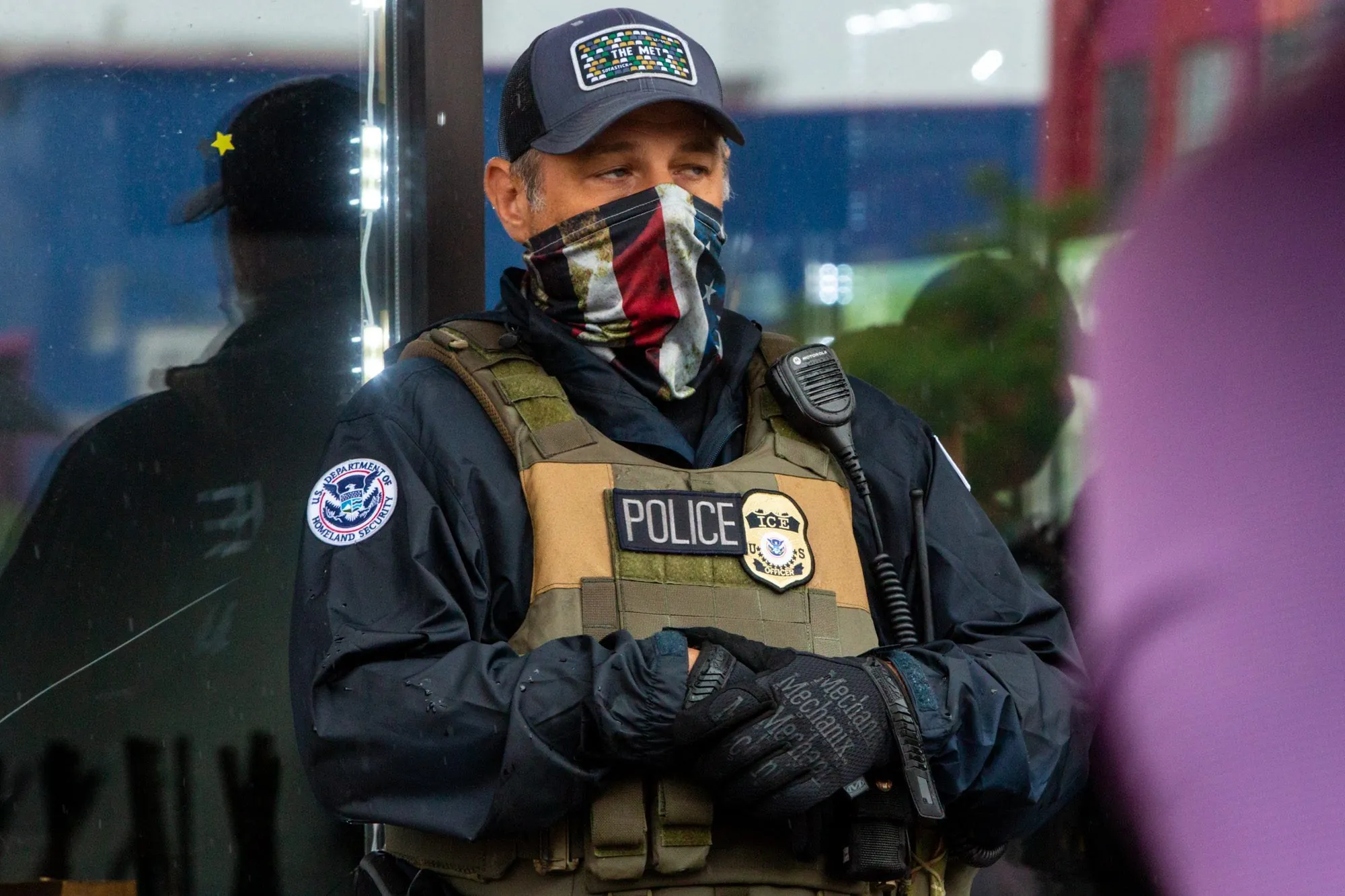
Summary: As of March 7, 2026, the Rio Grande Valley remains Texas's clearest border-region branch. The recurring examples described in ICE Spotted's Texas coverage involve McAllen, Brownsville, Harlingen, and Edinburg, with patterns tied to interior checkpoints on Highway 77 and Highway 281, processing-center proximity, bus-station routes used by recently released asylum seekers, and mixed DPS/ICE convoy activity under Operation Lone Star.
Editorial review: Reviewed March 7, 2026 by the ICE Spotted Research Team against the site's editorial policy. This page summarizes recurring local report patterns and support routes; it is not exhaustive real-time coverage.
Key references: LUPE · Texas Civil Rights Project · ACLU immigrants' rights · TRAC immigration data
This Rio Grande Valley page exists because the local search intent here is different from Houston's metro enforcement and DFW's transit/day-labor pattern. The Valley combines interior checkpoints, processing-center proximity, bus-station movement, and state-federal coordination under a border-region framework. Users searching here usually need help distinguishing everyday border traffic from reportable enforcement patterns that affect travel north from the Valley.
McAllen: Processing-Center Proximity and Staging
The Texas state page already identifies McAllen as a recurring example because of activity near the McAllen Central Processing Center. That makes this branch different from Houston or DFW. The useful question here is not simply whether ICE was visible, but whether the report happened near a processing facility, a transfer corridor, or a location where recently processed migrants and local residents overlap.
In reporting terms, those are different environments and they should not be merged into one generic "border activity" label.
Brownsville, Harlingen, and Edinburg: Bus-Terminal and Corridor Reporting
The state guide also points to Brownsville, Harlingen, and Edinburg, especially around bus routes and travel north from the region. That creates a strong local search pattern around who is being watched, where, and at what stage of movement. In this branch, bus-station areas and road corridors matter at least as much as neighborhoods.
For users, that means a useful report should say whether the activity happened near a bus terminal, checkpoint route, processing-center approach, or staging area rather than simply naming the city.
Rio Grande Valley alert: If you document activity near a checkpoint or transfer route, note whether the vehicles were part of a permanent screening environment, a temporary stop, or a mixed operation where DPS and ICE both appeared to be present.
Highway 77, Highway 281, and Interior Checkpoint Context
The Texas guide explicitly calls out frequent encounters at interior checkpoints on Highway 77 and Highway 281, 70 to 100 miles north of the border. That is one of the core reasons the Rio Grande Valley deserves its own branch. The key user need is to understand what is checkpoint activity, what is ICE presence around it, and what is ordinary cross-agency border traffic.
Operation Lone Star and Mixed DPS–ICE Convoys
The state page also notes that Operation Lone Star has produced reports of joint DPS–ICE vehicle convoys and shared staging areas. That makes the Valley a state-federal coordination branch as much as a border branch. The local question is not only "where is ICE?" but "which enforcement layer is operating here, and what does that imply for drivers, bus passengers, or people moving north from the Valley?"
What Makes a Rio Grande Valley Report Useful
- City or corridor: McAllen, Brownsville, Harlingen, Edinburg, Highway 77, Highway 281, or another named route.
- Setting: checkpoint, processing-center perimeter, bus station, roadway staging area, or transfer corridor.
- Agency mix: whether the report looked like ICE-only, Border Patrol, CBP, DPS, or a mixed operation.
- Date and time: use an absolute date like March 7, 2026 and note whether the activity happened during northbound travel, release movement, or general commuter traffic.
- Pattern detail: fixed checkpoint, convoy movement, parked staging, questioning, or targeted follow-up.
If you need the reporting workflow, use How to Report ICE Activity Anonymously. If you need documentation guidance, use Documenting ICE Encounters Legally. If your question is specifically about stops and checkpoints, the best companion pages are ICE Checkpoints and ICE Traffic Stops.
Support Context for Valley Residents
LUPE and Texas Civil Rights Project are especially relevant for the Rio Grande Valley because this branch intersects both border-community organizing and civil-rights litigation around state and federal enforcement. That support context is one of the reasons the Valley deserves its own branch under Texas rather than remaining folded into a general state overview.
This also explains the current Texas cluster logic. Houston covers apartment-complex, courthouse, and bus-terminal risk in a major metro. DFW covers transit-hub and day-labor patterns. The Rio Grande Valley covers checkpoints, processing-center corridors, and mixed DPS–ICE border-region enforcement. Those are three distinct local search and safety needs.