 ICE Spotted
ICE ankle monitor rules: what families should know in 2026
ICE ankle monitor rules usually combine charging, location tracking, and scheduled reporting requirements that can quickly become a legal risk when families do not document compliance in real time. The strongest way to reduce violations is a simple evidence routine: daily battery logs, same-day issue reporting, and written records of every field-office instruction.
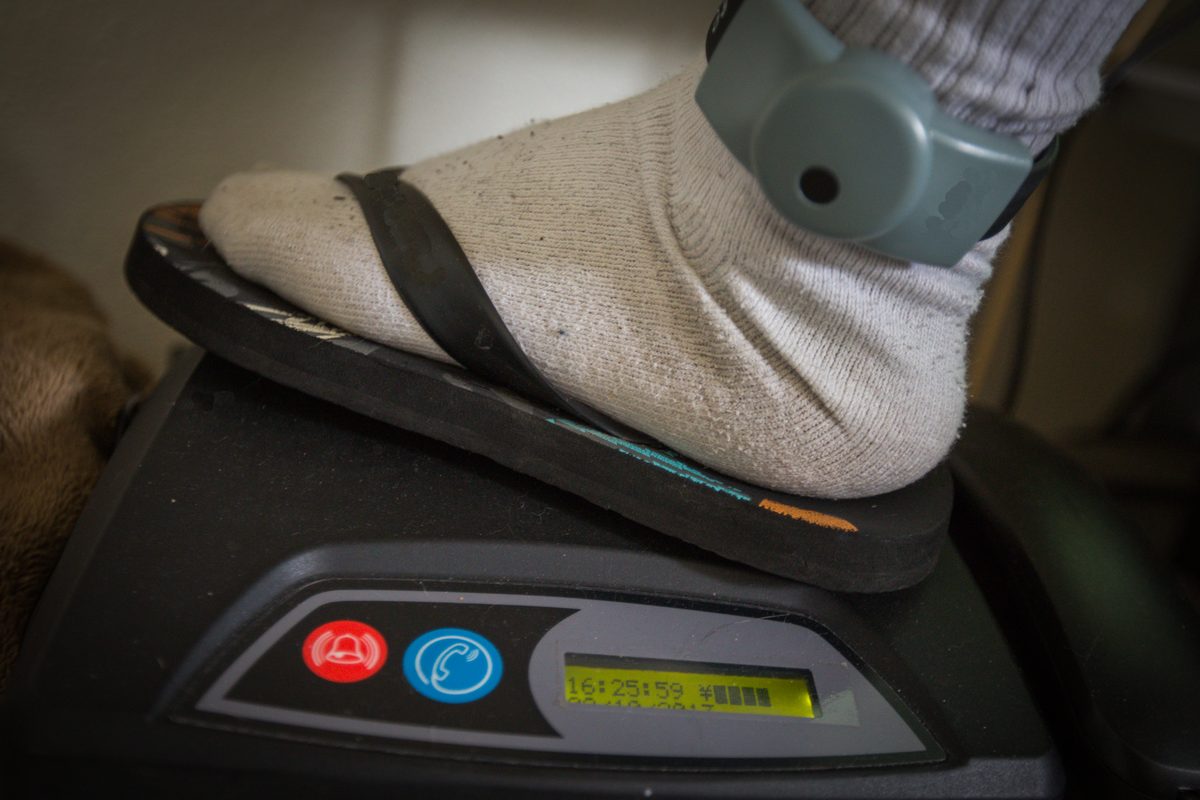
ICE ankle monitor rules are practical, day-to-day supervision conditions that affect movement, work schedules, childcare, and court preparation long before any final immigration decision is made. In current enforcement practice, these rules usually sit inside Alternatives to Detention workflows and can include GPS charging windows, location-verification instructions, and reporting through field offices or app-based systems. This guide explains how monitoring terms are set, what common violation triggers look like, how to build a defensible compliance record, and when to ask for less restrictive conditions with legal support.
What are ICE ankle monitor rules in practice?
In official language, ICE supervision programs are managed under Alternatives to Detention (ATD). In practical language, that means a person may be released from physical detention but placed under ongoing monitoring conditions. The condition set can include ankle GPS devices, smartphone reporting tools, voice check-ins, home visits, and scheduled office appointments. Not every person receives the same level, and assignments can shift over time.
The key point for families is this: compliance is judged by behavior records, not by intent. If a charger fails, if an app upload is late, or if a call is missed because a phone was disconnected, the system may still log that event as noncompliance unless there is documented proof of immediate response. That is why high-quality record keeping matters as much as knowing your rights language.
For people recently released after arrest, monitoring instructions often intersect with other urgent tasks such as locating a relative in custody, preparing for an initial hearing, and updating address records. If your family is still tracking a transfer, use the workflow in how to find someone in ICE custody first so all identifiers in your supervision documents are accurate.
| Supervision element | What it usually requires | Failure risk |
|---|---|---|
| GPS ankle monitor | Daily charging, tamper prevention, location continuity | Battery alerts, tamper flags, unexplained signal gaps |
| SmartLINK or phone reporting | Scheduled check-ins, identity verification, prompt responses | Missed prompts, failed uploads, stale phone number |
| In-person field office check-ins | On-time attendance with required documents | No-show, late arrival, incomplete paperwork |
| Address and contact updates | Fast reporting of moves or phone changes | Lost notices, missed appointments, escalation |
Who gets an immigration ankle monitor and why?
ICE and contractors do not publish a single public formula that predicts who receives GPS monitoring, but public policy documents and case patterns show that decisions are risk-weighted. Officers consider prior appearance history, custody history, perceived flight risk, prior enforcement encounters, and practical case-management factors. This means similarly situated people can still receive different supervision levels depending on local office practice and record completeness at intake.
Families should avoid assuming that monitor placement is permanent or automatically punitive. In many cases, supervision conditions are adjusted after a period of stable compliance. A person who keeps every appointment, documents every technical issue, and maintains stable address data can sometimes move from stricter monitoring to lighter reporting requirements. A person with repeated gaps, even for solvable reasons, may face tighter controls.
When your household evaluates whether conditions are reasonable, compare current requirements to the broader rights and process information in our ICE check-in appointment guide and know your rights resources. Those pages help separate lawful reporting duties from confusion created by rumor or unofficial advice.

How strict are charging, movement, and reporting requirements?
Strictness depends on device type and assigned conditions, but the operational pattern is consistent: the system expects predictable compliance windows. For GPS monitors, daily charging is not optional maintenance; it is an active supervision duty. A battery drop can trigger alerts before the person realizes the charge is too low, especially when devices age or chargers malfunction. People on monitoring should build charging into fixed daily windows and avoid treating battery tasks as flexible.
Movement rules can be misunderstood. Most supervision programs are not equivalent to criminal probation with universal curfews, but geographic and scheduling expectations still matter. If a person changes travel routines for work, childcare, or medical reasons, the safest path is to document that change early and ask for written guidance. Silent deviation creates ambiguity, and ambiguity is what later turns into a violation narrative.
Reporting requirements also evolve. Some people move between in-person and app-based check-ins depending on compliance history. Others receive additional in-person dates after missed contacts. If you miss a reporting event, do not wait for the next one. Immediate documented outreach creates a record that you attempted correction in good faith.
Supervisory programs are easier to manage when families treat each condition like a recurring deadline with proof, not like an informal request. ICE Spotted research workflow from case-pattern review
Compliance routine that lowers preventable flags
- Take a photo of battery level at the same time every day.
- Keep one shared calendar for check-ins, court dates, and legal calls.
- Save screenshots of app confirmations and missed-prompt error messages.
- Log every phone call with office name, time, and the instruction given.
- Report technical failures immediately and keep proof of that report.
What happens if an ICE ankle monitor battery dies or malfunctions?
Battery and hardware failures are one of the most common sources of fear because families worry a technical fault will be treated as intentional evasion. The risk is real, but the response can be managed. If a monitor fails, start with immediate documentation: timestamp the issue, photograph the device and charger, and contact your assigned reporting channel right away. The objective is to create a same-day record showing compliance intent.
Do not rely on memory-only explanations later. Supervisory systems move fast, and oral explanations after the fact are weaker than time-stamped evidence gathered when the failure occurred. If the problem continues across multiple hours, update your contact notes at regular intervals and escalate through the field office contact pathway listed by ICE at ERO field offices.
Families should also track infrastructure factors that cause avoidable failures: old power strips, shared chargers, unstable overnight charging locations, and crowded outlets in multigenerational housing. Fixing these practical issues can reduce repeat alerts that otherwise appear as a pattern in supervision logs.
| Problem | First 15 minutes | Same-day follow-up |
|---|---|---|
| Battery not charging | Photo device + charger, switch outlet, start call log | Report malfunction to assigned contact and request instructions in writing |
| Strap/device damage | Document visible condition with timestamps | Request replacement protocol and keep case note |
| App check-in failure | Screenshot error and retry attempts | Call reporting line and log confirmation that attempt was made |
| Signal/location glitch | Record time and location details | Report potential false alert before next scheduled check-in |
Can ICE ankle monitor conditions be reduced or removed?
In many cases, yes. Condition changes generally depend on compliance history, case posture, and advocacy quality. A strong request package usually includes appointment attendance records, charging and reporting logs, proof of stable residence, and documentation of work or caregiving obligations that make current settings disproportionate or disruptive.
Legal representation can improve these requests because counsel can frame the same facts in procedural language tied to custody and appearance reliability, rather than presenting only hardship narratives. Where bond strategy is relevant, connect your supervision request with broader planning in the ICE bond process guide and bond post-case obligations, especially when families are balancing immediate costs against long case timelines.
Officially, immigration judges and DHS actors have different roles. For core procedure reference, review EOIR detention materials at Immigration Court Practice Manual, bond proceedings and federal detention regulations at 8 CFR 1236.1. Those sources help families and attorneys distinguish what can be modified through court pathways and what is handled through field supervision channels.
How to build a defensible compliance file in 30 days
Families often wait until a crisis to organize evidence, but monitoring cases are easier when records are built from day one. A 30-day compliance file should be simple enough to maintain under stress and structured enough for attorney use. You do not need expensive tools; a shared spreadsheet plus a cloud folder is enough when entries are consistent and timestamped.
Week 1: setup and baseline
- Create one timeline document with columns for date, requirement, action taken, and proof file name.
- Capture photos of device serial information, charger setup, and safe charging location.
- Record all assigned contacts, office numbers, and backup call paths.
- Write down exact appointment instructions and upload screenshots.
Week 2: verification and redundancy
- Run a dry check of charging routine and app reporting at noncritical times.
- Set backup reminders on two phones for every check-in window.
- Confirm address data and mail reliability for notice delivery.
- Review the timeline weekly with counsel or trusted legal support.
Week 3-4: pattern control and escalation readiness
- Tag recurring technical issues and ask for documented guidance early.
- Add proof of stable community ties: work schedules, school pickup obligations, and clinic appointments.
- Prepare a concise condition-change request draft if compliance is stable.
- Keep copies of every outgoing message and call log in one folder.
This record-building method protects against two common failures: accidental missed requirements and weak evidence when officers or courts review compliance history. It also reduces household conflict because everyone can see the same authoritative timeline.
Household planning: work, school, and transport under monitoring
Monitoring conditions do not affect only the person wearing the device. Families often restructure transportation, childcare, and work shifts to meet reporting windows. When the household treats monitoring as an individual issue, key logistics fail: a missed ride becomes a missed appointment, or a dead phone becomes a missed reporting prompt. Planning should be family-level from the start.
Build a practical operations plan with three parts: transportation fallback, communications fallback, and legal fallback. Transportation fallback means always having a second route to field offices and courts. Communications fallback means having spare charging cables, a backup phone number if possible, and a designated person who can call offices when the monitored person cannot. Legal fallback means knowing exactly which attorney or legal aid line to contact if a possible violation event occurs.
If your case also involves checkpoint or traffic-stop exposure, align this planning with traffic stop rights guidance and checkpoint rights coverage. Consistent procedures across scenarios reduce panic and improve evidence quality if enforcement escalates.

FAQ: ICE ankle monitor rules
What are ICE ankle monitor rules?
They are supervision conditions set under ICE Alternatives to Detention and can include GPS charging, location tracking, and scheduled reporting. Terms differ by case, so families should rely on written instructions and keep records of any updates.
Can ICE remove an ankle monitor?
Yes, monitoring levels can be reduced or changed after sustained compliance and review. Requests are usually stronger when supported by clean attendance records, stable address proof, and attorney-backed filings.
What happens if an ICE ankle monitor battery dies?
A dead battery can trigger an alert and may be treated as noncompliance if no immediate report is made. Document the issue at once, contact the assigned reporting channel, and keep timestamps and photos in your file.
How often do people check in while on monitoring?
Frequency varies and may include in-person, phone, or SmartLINK check-ins. Missed contacts can increase supervision intensity, while consistent compliance may support reduced reporting burdens over time.
Can an immigration judge change monitoring terms?
Judges can address custody and bond issues within court procedure, while many day-to-day supervision mechanics are managed by DHS/ICE channels. Counsel should map both paths to decide the strongest strategy for each case phase.
Important: This page is educational and not individualized legal advice. If you are currently on monitoring or facing a potential violation, contact a licensed immigration attorney immediately and preserve same-day evidence of every compliance step.