 ICE Spotted
ICE check in appointment: what to expect and how to prepare
An ICE check in appointment is a reporting event where officers verify identity, review case status, and set the next compliance step, so preparation and documentation matter more than guesswork. People who arrive with a complete document packet, updated address records, and a written timeline usually reduce delays and avoid preventable enforcement complications.
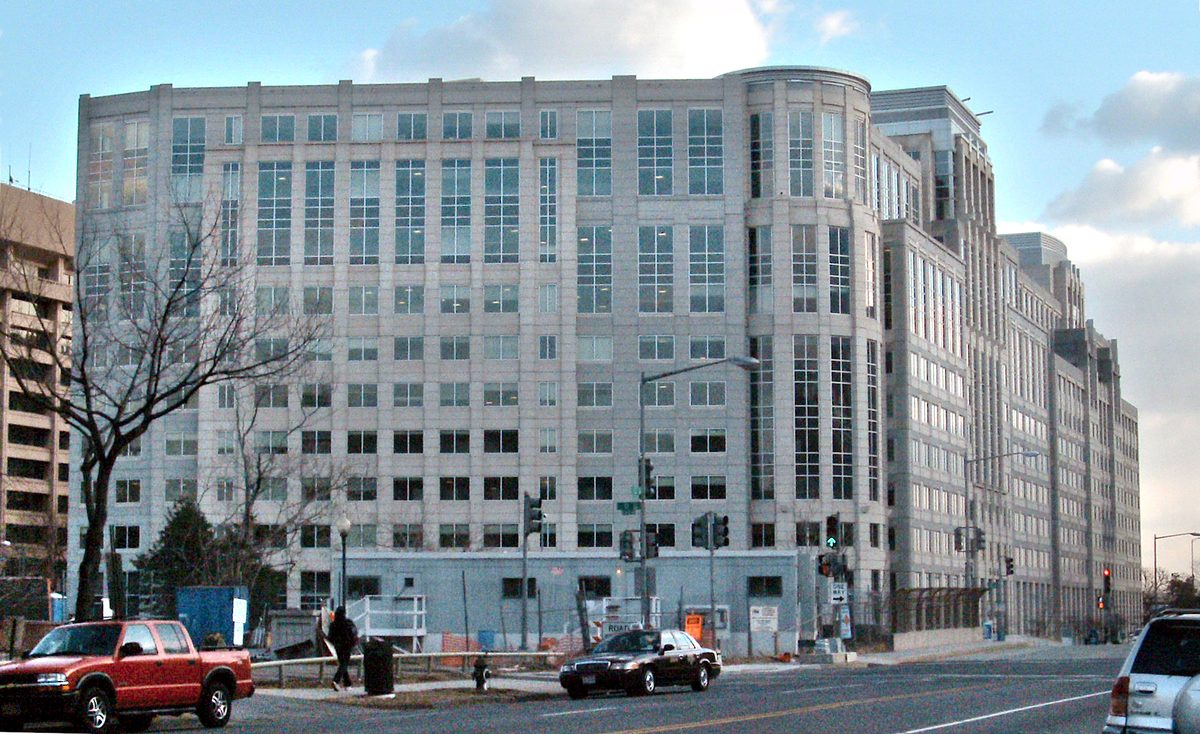
ICE check in appointment preparation should start before the day of reporting, because the process combines identity verification, paperwork review, and next-step instructions that can affect custody, supervision, and court coordination. The most reliable workflow is simple: gather the right documents, verify address and contact data, track both ICE and court calendars, and document every communication. If your family is already using our guides on finding someone in ICE custody or checking immigration court dates, this page fills the gap between those systems and day-to-day ICE reporting obligations.
What happens at an ICE check in appointment?
Most reporting appointments follow a repeatable pattern: arrival and identity checks, officer review of case file notes, discussion of compliance requirements, and instructions for the next reporting date. The exact sequence can vary by field office, but the underlying purpose is to monitor case status and enforce reporting conditions associated with release or supervision.
People often expect a single yes-or-no outcome, but real appointments are usually administrative checkpoints. Officers may confirm that your address is current, ask for updated legal filings, and review whether future check-ins should remain in-person or shift to another reporting format. In many cases, the key result is not what happens inside the office that day, but what instructions are documented for your next required action.
| Appointment stage | Typical officer action | What you should document |
|---|---|---|
| Check-in intake | Identity and appointment verification | Arrival time and staff contact point |
| Case review | Status review and questions | Any new request or instruction |
| Reporting decision | Next date or follow-up requirement | Exact date, time, and office |
| Exit documentation | Paper notice or verbal direction | Copy, photo, and written summary |
What documents should you bring to an ICE check in appointment?
Document readiness is the difference between a controlled reporting visit and a high-stress scramble. Bring your appointment notice first, then add identity, immigration, and address records in one organized folder. Families lose time when they carry partial paperwork across several bags and cannot produce requested records quickly.
Core document packet
- Appointment notice showing date, location, and case reference.
- Government-issued identification and any available immigration ID.
- Copies of recent immigration filings, court notices, or attorney letters.
- Current proof of address and prior address-change submissions.
- Contact information for legal counsel or accredited representative.

Use a two-pocket system: originals in one folder, copies in another. If staff asks to inspect or retain a copy, you avoid surrendering your only version. This approach mirrors what we recommend for bond-related document handling, where one missing page can delay critical next steps.
How is ICE reporting different from immigration court hearings?
Families frequently confuse ICE reporting and EOIR court hearings because both involve dates, paperwork, and federal immigration systems. They are not interchangeable. ICE reporting is an enforcement-supervision process, while EOIR hearings are judicial proceedings with separate notices and consequences.
The practical rule is to manage two independent calendars. One missed court date can trigger in absentia risks; one missed reporting date can trigger enforcement consequences. Do not assume one office can automatically excuse a missed appointment in the other system.
"Two systems, two calendars, two compliance workflows. Treat both as mandatory unless written instructions say otherwise." ICE Spotted procedural guidance for families under active supervision
| System | Main purpose | How to verify date |
|---|---|---|
| ICE reporting | Compliance supervision and case monitoring | Appointment notice and assigned office contact |
| EOIR court | Immigration judge hearings and case decisions | EOIR tools and official hearing notice |
For court-date verification workflow, use our full guide on immigration court date checks alongside this article.
Can you reschedule an ICE check in appointment?
Rescheduling may be possible in some situations, but the high-risk mistake is waiting until after the appointment time to start communication. If a genuine conflict exists, contact the assigned office immediately, document that outreach, and keep proof of when and how you requested guidance.
Early contact is a risk-control strategy, not a guarantee. Offices may request specific evidence, such as medical documentation, travel disruption records, or legal notices. When possible, ask counsel to document or support the request so your record shows proactive compliance rather than silence.
Reschedule communication checklist
- Contact the office before appointment time if at all possible.
- Save call logs, emails, and screenshots of outreach attempts.
- State your case identifier and requested next available date clearly.
- Ask for written confirmation of any new reporting instruction.
- Forward all records to counsel the same day.
When families ask "is one call enough," the safer answer is no. Keep contacting until you receive explicit instruction and can document it in writing.
What if you miss an ICE check in appointment?
Missing a reporting date can escalate quickly, especially when there is no same-day attempt to correct the record. The immediate priority is documented remediation: contact the office, explain the reason with evidence, and involve legal counsel fast. Delays make it harder to distinguish a true emergency from noncompliance.
Build a correction file with three elements: timeline, proof, and outreach. Timeline means exact appointment time and when you realized the issue. Proof means records explaining the conflict (medical discharge note, transport disruption notice, or other documented reason). Outreach means logs of every call and message sent to the office and counsel.
Families should avoid two common errors: assuming a missed date is automatically forgiven after one voicemail, and posting sensitive case details publicly while trying to get help. Keep communications targeted and documented.
How should families prepare 7 days before a reporting date?
A seven-day preparation window reduces last-minute errors. Start with logistics, then move to document and legal checks. This is especially important in households where transportation, childcare, and language interpretation must be coordinated in advance.
Seven-day preparation timeline
Day -7 to -5: Verify appointment details, office address, transportation route, and expected travel time. Add two alarms for appointment day and one reminder 24 hours before.
Day -4 to -3: Assemble core document packet, print or copy key records, and confirm counsel contact information is current.
Day -2 to -1: Recheck for any updated instructions from the office, confirm childcare/work coverage, and prepare a one-page case summary for your own reference.
Day 0: Arrive early, carry organized documents, and write down next-step instructions before leaving the building.
| Window | Priority | Failure to avoid |
|---|---|---|
| 7-5 days out | Logistics and travel validation | Late arrival from avoidable routing issues |
| 4-3 days out | Document packet completion | Missing records during officer review |
| 2-1 days out | Final confirmation and backups | No contingency plan for disruptions |
What role do ICE field offices and supervision programs play?
Reporting instructions are often managed through local office workflows and supervision structures tied to release conditions. Some people receive in-person schedules at a field office, while others may also be connected to compliance pathways associated with supervision programs. The details are case-specific, which is why written instructions and counsel review are essential.
Do not rely on community hearsay such as "everyone in this county reports quarterly" or "everyone is switched to remote check-in." Those statements can become dangerous when applied to the wrong case category. Follow only your official notice and direct office communication.
Families should also know that office practice can change over time due to staffing, local policy implementation, and operational updates. Reconfirm the date and location shown on your latest notice even if earlier appointments happened at the same site.

How can you reduce risk during high-stress reporting cycles?
High-stress cycles happen when reporting dates, court dates, detention concerns, and family logistics overlap in the same month. The fix is standardized workflow, not more improvisation. Use one shared log, one designated family coordinator, and one escalation path to counsel. Fragmented communication is a leading cause of preventable mistakes.
Set objective escalation rules so decisions are automatic under pressure. Example: if travel disruption threatens arrival, call office + counsel immediately and document in writing. If appointment instructions conflict with prior paperwork, request clarification before reporting day. If any new document is issued, scan and store it the same day.
This operational discipline pairs well with our guidance on bond refund follow-up and legal resource directories, where timing and documentation also determine outcome quality.
Scenario planning: three real-world ICE reporting situations
Most families are not deciding between a \"perfect\" and \"bad\" response. They are deciding between several imperfect options under time pressure. Scenario planning helps you choose the least risky path before the pressure hits. Below are three common situations with practical actions you can adapt to your case.
Scenario 1: transportation failure on appointment morning
If a canceled train, car breakdown, or highway closure threatens your arrival, do not wait to see whether you can still make it. Contact the assigned office immediately, then contact counsel, and document both attempts with timestamps. If you arrive late, bring proof of the disruption and proof of your pre-arrival outreach. The sequence matters: documented early effort is stronger than undocumented late explanation.
Scenario 2: conflicting instructions between old and new notices
Sometimes families hold two papers with different dates or locations after transfers or administrative updates. Treat that as a reconciliation problem, not an assumption problem. Call the office listed on the newest notice, read both documents line by line, and ask which one controls as of today. Write down the exact answer and who gave it. Then send the same summary to legal counsel so everyone is working from one confirmed record.
Scenario 3: appointment missed because notice went to old address
This is one of the highest-risk scenarios because it combines nonappearance exposure with a recordkeeping dispute. Move fast: gather proof of address-change filings, mail forwarding records, and any evidence of late or misdirected notice delivery. Contact office and counsel immediately with a concise timeline. If you have not already done so, update all address records in every relevant system and keep submission receipts in one folder.
| Scenario | First 30 minutes | Same-day target |
|---|---|---|
| Travel disruption | Office + counsel contact with timestamp | Written log and disruption proof captured |
| Conflicting notices | Confirm controlling notice by phone | Shared written summary for family and counsel |
| Missed due to old address | Immediate correction outreach | Address proof packet and legal escalation complete |
Scenario planning works because it converts panic decisions into checklist decisions. You may still face hard constraints, but you avoid the avoidable error of acting without records. For households handling multiple cases, keep separate logs per person to prevent A-number mixups and timeline confusion.
FAQ: ICE check in appointment questions people ask most
What happens at an ICE check in appointment?
Most visits include ID verification, case-status review, and instructions for your next required step. Bring your notice and document everything you are told before leaving.
What documents should I bring to an ICE check in?
Carry your appointment notice, identification, immigration paperwork, proof of address, and counsel contact information. Keep originals and copies in separate folders.
Can I reschedule an ICE check in appointment?
Sometimes, but you should request guidance before the appointment time and keep records of that request. Early, documented contact is safer than late explanation.
What if I miss my ICE check in appointment?
Contact the assigned office and legal counsel immediately, then preserve proof of what happened and when you sought correction. Delayed follow-up increases risk.
Is ICE check in the same as immigration court?
No. They are separate systems with separate schedules and consequences. Track both calendars independently and verify each date from official records.
Sources
Primary references and high-authority context used for this guide:
- U.S. ICE: Official check-in information
- U.S. ICE: Field office directory
- U.S. ICE: Detention facilities directory
- U.S. DOJ EOIR: Automated case information and customer service resources
- TRAC Immigration: public immigration enforcement and court data
- Vera Institute: Alternatives to detention policy analysis