 ICE Spotted
San Antonio ICE Activity 2026: West Side, South Side, Lackland, and SB 4 Tensions
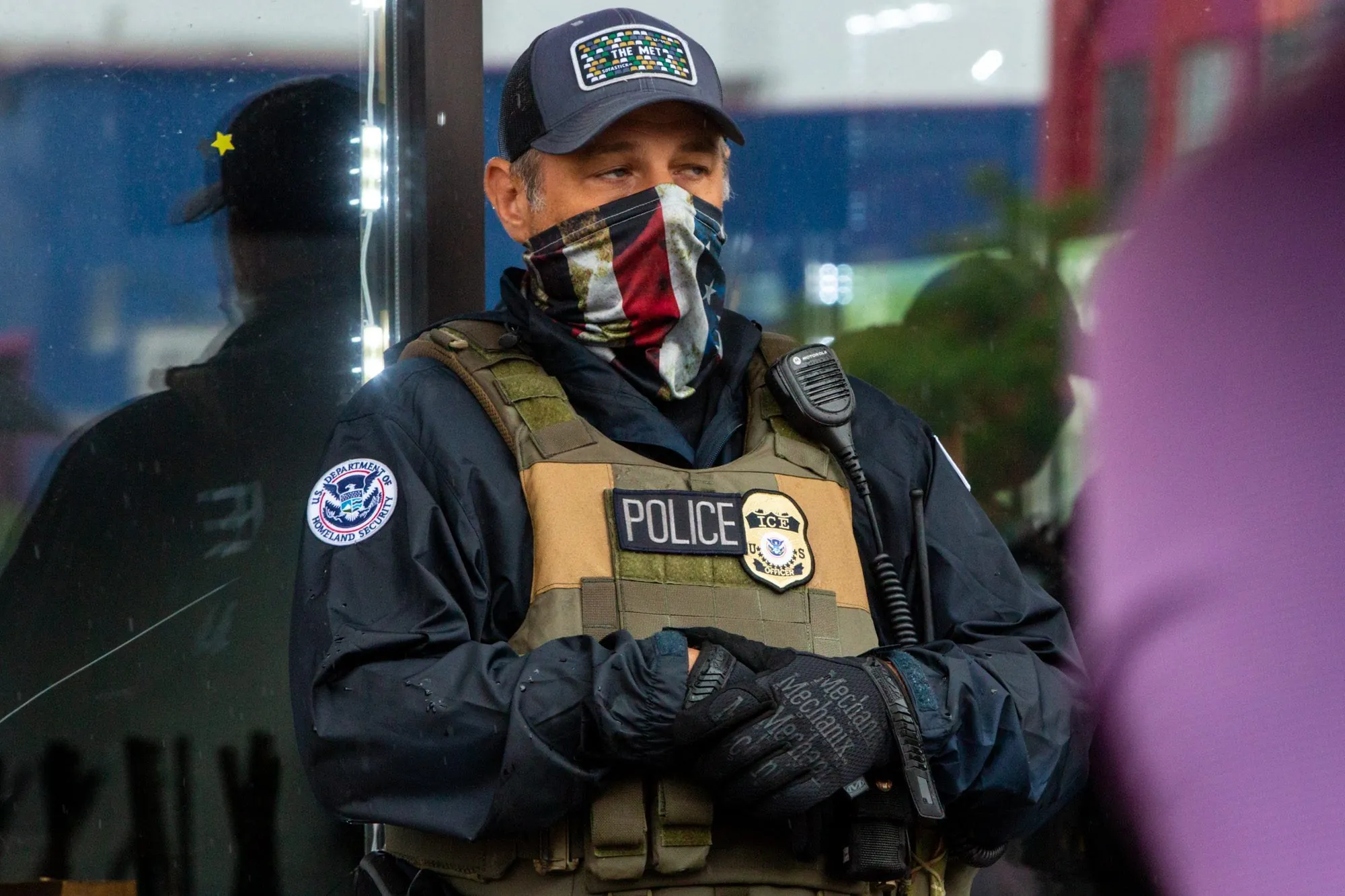
Summary: As of March 7, 2026, San Antonio remains Texas's clearest city-vs-state-law branch. The recurring examples described in ICE Spotted's Texas coverage involve the West Side, the near South Side, and the Lackland Air Force Base area, with reporting shaped by schools, clinics, food-distribution sites, and the practical tension between a more welcoming city posture and Texas SB 4.
Editorial review: Reviewed March 7, 2026 by the ICE Spotted Research Team against the site's editorial policy. This page summarizes recurring local report patterns and support routes; it is not exhaustive real-time coverage.
Key references: RAICES Texas · Texas Civil Rights Project · ACLU immigrants' rights · NILC know-your-rights card
This San Antonio page exists because the local search intent is different from both Houston's metro enforcement pattern and the Rio Grande Valley's checkpoint-heavy border environment. Here the defining issue is the tension between a city that has tried to limit direct local entanglement with ICE and a state legal framework, especially SB 4, that pushes in the opposite direction.
West Side and South Side: Public Housing, Clinics, and Food Distribution
The Texas state guide already identifies San Antonio's West Side and the near South Side as recurring report environments. Those areas matter because the reports cluster around public housing, schools, health clinics, and food-distribution sites rather than transit hubs or checkpoints alone. A useful local San Antonio page therefore needs to track the difference between neighborhood surveillance and activity near essential community-service sites.
For users, that means a report becomes more useful when it says whether the activity happened near a clinic entrance, a school perimeter, a housing complex, or a food-distribution line rather than simply saying "ICE in San Antonio."
Lackland and Federal Processing Context
The parent Texas guide also points to the Lackland Air Force Base area, where federal processing of unaccompanied migrant children has historically shaped the surrounding enforcement environment. That makes San Antonio different from Houston or DFW. The local question is not only whether ICE vehicles were present, but whether the report was tied to a residential street near a federal-processing environment, to nearby service routes, or to a larger mixed federal presence.
San Antonio alert: If you document activity near a clinic, school, or food-distribution site, note whether the report involves fixed surveillance, repeated drive-bys, or staging near entry points people must use for daily necessities.
Why SB 4 Changes the Search Intent
San Antonio is also the first Texas branch where state-law context changes the meaning of local reporting. The state guide explains that Texas SB 4 prohibits formal sanctuary policies and requires local law-enforcement cooperation with federal detainer processes. That means a local San Antonio page must do more than summarize sightings. It has to explain how city posture, local police visibility, and state law create uncertainty for people trying to interpret what they are seeing.
That is why this branch belongs in the cluster. Users searching for San Antonio often want to know not only where ICE was seen, but how much the city's local posture actually changes the enforcement environment on the ground.
What Makes a San Antonio Report Useful
- Sub-area: West Side, near South Side, Lackland-adjacent corridor, or another named district.
- Setting: clinic, school perimeter, public-housing area, food-distribution site, residential block, or federal-processing-adjacent street.
- Movement pattern: fixed surveillance, repeat pass, lot staging, neighborhood circulation, or confirmed stop.
- Date and time: use an absolute date like March 7, 2026 and note whether the activity happened during school hours, clinic intake, distribution time, or early morning.
- Agency context: whether local police were visible nearby and what they appeared to be doing, without overclaiming cooperation.
If you need the reporting workflow, use How to Report ICE Activity Anonymously. If you need documentation guidance, use Documenting ICE Encounters Legally. If the issue turns into a home visit, the best companion guide is What to Do If ICE Comes to Your Door.
Support Context for San Antonio Residents
RAICES Texas is especially relevant for this branch because San Antonio's local reporting intersects legal help, family support, and broader statewide advocacy. Texas Civil Rights Project is also important because city-vs-state-law enforcement tension often becomes a rights and litigation issue rather than only a location issue.
This also explains the current Texas cluster logic. Houston covers apartment complexes, courthouse movement, and bus terminals. DFW covers transit hubs and day-labor sites. The Rio Grande Valley covers checkpoints and border-region coordination. San Antonio covers city-vs-state-law tension around community-service sites and public-space enforcement. Those are four distinct local search and safety needs.