 ICE Spotted
Inland Empire ICE Activity 2026: Santa Ana, Anaheim, Ontario, Riverside, and San Bernardino Reports
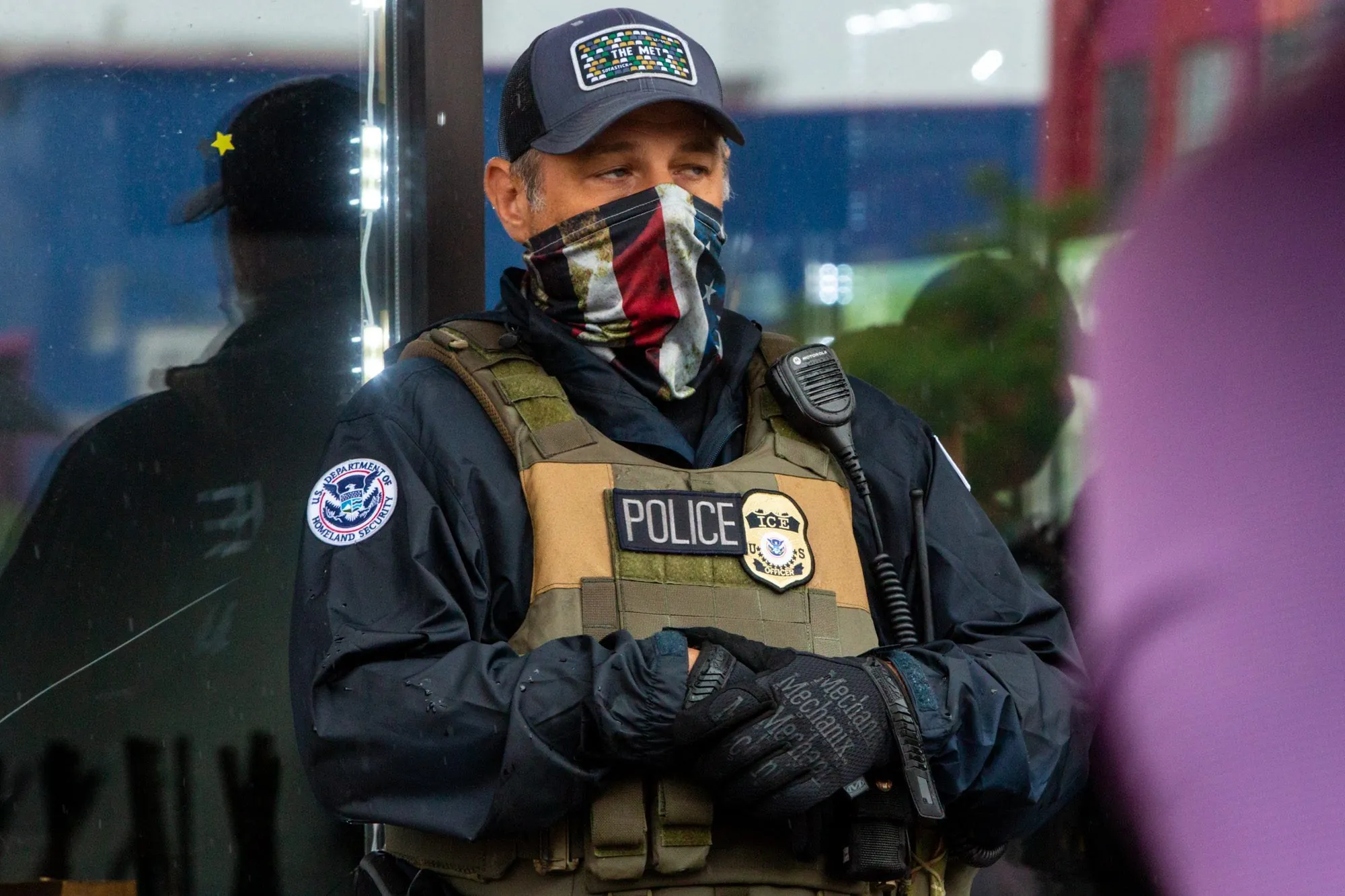
Summary: As of March 7, 2026, the Inland Empire remains California's clearest logistics-and-worksite branch after Los Angeles. The recurring examples described in ICE Spotted's California coverage involve Santa Ana, Anaheim, Ontario, Riverside, and San Bernardino, with reports tied to freeway on-ramps, bus stations, construction sites, warehousing corridors, and targeted worksite enforcement.
Editorial review: Reviewed March 7, 2026 by the ICE Spotted Research Team against the site's editorial policy. This page summarizes recurring local report patterns and support routes; it is not exhaustive real-time coverage.
Key references: ACLU immigrants' rights · NILC know-your-rights card · TRAC immigration data · ICE Spotted resources
This Inland Empire page exists because the search intent is different from both Los Angeles neighborhood reporting and the broader California state guide. Here the reporting pattern is shaped less by dense neighborhood streets and more by logistics movement: warehouse zones, freeway ramps, bus-station approaches, distribution routes, and construction or warehousing sites where workers and transport overlap.
Orange County and Northern Edge Cities: Santa Ana and Anaheim
The California state guide names Santa Ana and Anaheim as part of the Southern California rise in reported activity. These places matter because they sit between commuter movement, industrial corridors, and high-density working-class neighborhoods. A useful Inland Empire page should ask whether a report happened near a bus station, a freeway on-ramp, a labor pickup point, or a warehouse / construction site rather than treating all county activity as one category.
For users, that means the most useful report detail is not just "ICE in Anaheim." It is what kind of location it was and what the vehicles did there.
Ontario, Riverside, and San Bernardino: Warehouse and Freeway Patterns
The strongest Inland Empire branch inside the California guide is the cluster around Ontario, Riverside, and San Bernardino. Those cities matter because of warehousing, freight movement, distribution work, and freeway connectivity. The parent California page already points to checkpoint-style operations near freeway on-ramps and bus stations plus targeted enforcement in construction and warehousing. That is enough to justify a dedicated child route with a distinct local intent.
From a search perspective, this branch is not about one courthouse or one neighborhood. It is about how enforcement reports cluster where people move between work, freight, buses, and highways.
Inland Empire alert: If you are documenting a worksite or freeway-corridor report, note whether the activity happened at a warehouse entrance, a labor pickup point, a station, or a freeway-adjacent stop where vehicles were screening or waiting.
What Makes an Inland Empire Report Useful
- City and sub-area: Santa Ana, Anaheim, Ontario, Riverside, San Bernardino, or another specific municipality and corridor.
- Functional location: warehouse lot, construction site, bus station, freeway on-ramp, distribution corridor, or worker pickup area.
- Movement context: shift start, delivery traffic, station arrival, freeway merge point, or repeated pass-through.
- Date and time: use an absolute date like March 7, 2026 and note whether the activity happened before work, during daytime operations, or during evening movement.
- Vehicle pattern: convoy arrival, parked surveillance, short stop, rotating pass, or extended staging.
If you need the reporting workflow, use How to Report ICE Activity Anonymously. If you need documentation guidance, use Documenting ICE Encounters Legally. If the issue involves a roadside stop or checkpoint behavior, use ICE Checkpoints and ICE Traffic Stops.
Support Context for Inland Empire Residents
For Inland Empire residents, the most important support layer is often still statewide or regional rather than city-specific. Use the site's resources page, California legal-help entries, and rights materials from ACLU and NILC to prepare before work travel or roadside encounters.
This is also why Inland Empire belongs as its own California branch. Los Angeles covers dense neighborhood reporting. The Central Valley covers agricultural and dispersed-worksite pressure. San Diego covers mixed-agency border-region context. Inland Empire covers logistics, warehousing, and freeway-corridor movement. Those are four different local search and safety needs.