 ICE Spotted
ICE Activity in Los Angeles 2026: Boyle Heights, Pico-Union, Koreatown, and South LA Reports
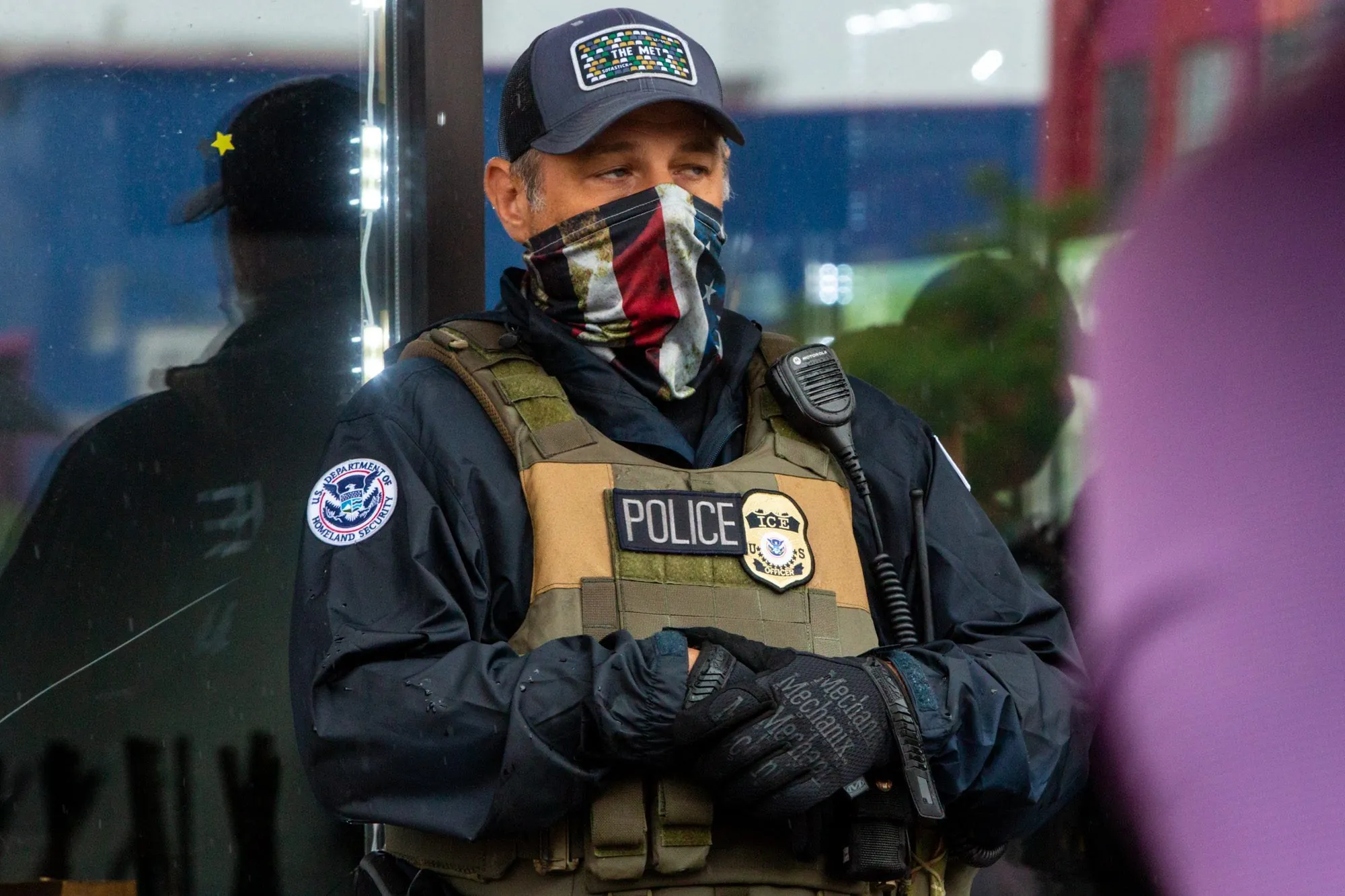
Summary: As of March 7, 2026, Los Angeles County remains the most concentrated California reporting cluster in ICE Spotted's coverage. The clearest neighborhood pattern involves Boyle Heights, Pico-Union, Koreatown, South Los Angeles, and parts of the San Fernando Valley, with recurring reports tied to transit, day-labor gathering points, residential streets, and courthouse-adjacent movement.
Editorial review: Reviewed March 7, 2026 by the ICE Spotted Research Team against the site's editorial policy. This page summarizes recurring local report patterns and support routes; it is not exhaustive real-time coverage.
Key references: CHIRLA · CARECEN-LA · ACLU immigrants' rights · TRAC immigration data
This Los Angeles page exists because the California state guide is too broad for residents who need neighborhood-level context. Los Angeles County is not one uniform reporting environment. The practical pattern changes depending on whether the sighting is near a day-labor gathering site, a Metro stop, a courthouse entrance, or a residential block before sunrise. That local specificity is what turns a large state page into a usable search tree.
Boyle Heights and East Los Angeles
The strongest localized pattern in eastern Los Angeles revolves around Boyle Heights, nearby East LA corridors, and streets feeding into freeway movement and work commuting. The main reporting value here is not just that unmarked vans are seen. It is where they wait, how many vehicles arrive together, and whether the activity looks tied to residences, work pickup, or street surveillance.
Neighborhood-level reporting in this zone should note whether the activity was on a residential side street, near a transit stop, near a commercial corridor, or near a courthouse route. Those are different reporting environments and should not be collapsed into one generic "East LA" alert.
Pico-Union, Koreatown, and South Los Angeles
In the broader California guide, Los Angeles reports already cluster around Pico-Union, Koreatown, and South Los Angeles. These neighborhoods matter because they combine apartment density, transit dependency, large immigrant communities, and high pedestrian activity. A local Los Angeles page is useful precisely because the same enforcement vehicle or agent pattern can create very different risks depending on whether the encounter happens near a bus stop, apartment entrance, street-vendor corridor, or school route.
For this reason, a good Los Angeles cluster page should highlight approach patterns as much as the sighting itself: multiple dark SUVs, early-morning arrival windows, whether agents stay fixed or rotate, and whether the location is one people use for commuting, buying food, or waiting for informal work pickup.
San Fernando Valley and Countywide Spillover
The San Fernando Valley belongs in the Los Angeles cluster even when reports are less concentrated than in Boyle Heights or Pico-Union. The search intent is still local: people are trying to understand whether a report is tied to one neighborhood, one transit corridor, or one employer area. Countywide reporting that skips the neighborhood scale becomes less useful very quickly.
Los Angeles alert: When documenting activity in dense neighborhoods, the most useful details are the nearest cross street, transit stop, building type, and whether the vehicles stayed in place or moved in convoy.
What Makes a Los Angeles Report Useful
- Neighborhood first: Boyle Heights, Pico-Union, Koreatown, South LA, or another specific sub-area.
- Context: transit stop, day-labor site, apartment entrance, courthouse route, school area, or commercial corridor.
- Vehicle behavior: parked surveillance, coordinated arrival, slow pass-through, or short stop followed by departure.
- Date and time: use an absolute date like March 7, 2026 and note whether the activity happened before work, during school drop-off, or later in the day.
- Local-law context: if local officers were present, note what they appeared to be doing without assuming immigration cooperation automatically occurred.
If you need the reporting workflow, use How to Report ICE Activity Anonymously. If you need documentation guidance, use Documenting ICE Encounters Legally. If the activity turns into a home visit, the key companion page is What to Do If ICE Comes to Your Door.
Local Los Angeles Support Context
CHIRLA is one of the clearest Los Angeles–specific support institutions for this cluster because it combines legal services, community organizing, and rapid-response knowledge rooted in the city. CARECEN-LA is also highly relevant because it has a long history serving immigrant families in Los Angeles and appears directly in the site's California resources section.
That local support layer is one reason Los Angeles deserves its own child page under California. A state page can name the organizations. A local page can explain why they matter for the neighborhoods where reporting is actually clustering.
How This Fits into the California Cluster
This page should be read alongside the broader California state guide. The state page compares Southern California, the Bay Area, the Central Valley, and San Diego. This Los Angeles page exists for a different use case: localized neighborhood reporting inside the county. That is the same cluster logic already used for New York with separate pages for Queens, Bronx courthouse risks, and Long Island worksite patterns.