 ICE Spotted
San Diego ICE Activity 2026: Barrio Logan, San Ysidro, City Heights, and Border-Region Reports
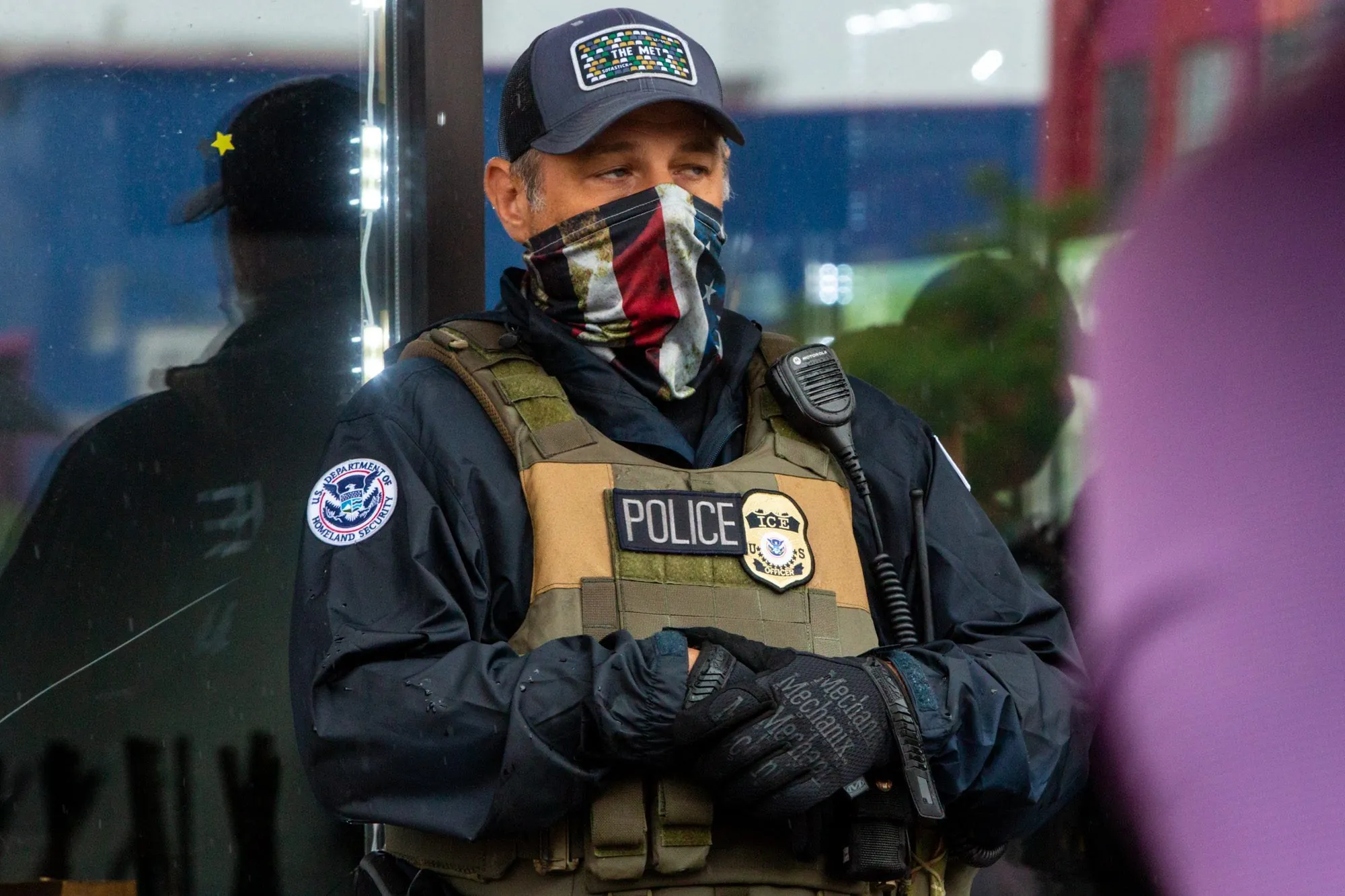
Summary: As of March 7, 2026, San Diego remains California's clearest border-region branch for interior enforcement reporting. The recurring examples described in ICE Spotted's California coverage involve Barrio Logan, City Heights, San Ysidro, and National City, along with confusion between ICE, CBP, and Border Patrol around the I-5 corridor and checkpoint-adjacent activity.
Editorial review: Reviewed March 7, 2026 by the ICE Spotted Research Team against the site's editorial policy. This page summarizes recurring local report patterns and support routes; it is not exhaustive real-time coverage.
Key references: TRAC immigration data · ACLU immigrants' rights · NILC know-your-rights card · ICE Spotted resources
This San Diego page exists because the search intent is different from both Los Angeles neighborhood reporting and the broader California state guide. In San Diego, the key issue is not only where the sighting happened. It is which federal agency environment the report belongs to: interior ICE enforcement, checkpoint-adjacent screening, or a mixed-agency operation where ICE, CBP, and Border Patrol are all present or easily confused.
Neighborhoods Most Often Cited: Barrio Logan, City Heights, San Ysidro, and National City
The California state guide already identifies Barrio Logan, City Heights, San Ysidro, and National City as recurring San Diego examples. That matters because these places sit at the intersection of commuter movement, federal law-enforcement visibility, and immigrant-family daily routines.
A useful San Diego page should therefore not just say "ICE in San Diego." It should clarify whether the report happened in a neighborhood street grid, on a route to work, near a station, or in a location where border enforcement visibility changes how people interpret agent presence.
Mixed-Agency Operations: ICE, CBP, and Border Patrol
San Diego is the clearest California branch where mixed-agency operations become part of the reporting problem itself. The California guide describes reports of ICE ERO teams, CBP, and Border Patrol appearing together or arriving at the same location. That means documentation needs to separate marked and unmarked vehicles, unit markings, uniform differences, and where the activity took place relative to the border corridor.
San Diego alert: If you are documenting a border-region report, note whether the activity happened in a neighborhood, on a known checkpoint corridor, or in a location where multiple federal agencies were visibly present at the same time.
The San Clemente I-5 Checkpoint Problem
The California state page also highlights the permanent Interstate 5 checkpoint near San Clemente as one of the most frequently reported enforcement points connected to Southern California travel. Even though the checkpoint is operated by Border Patrol and not ICE, the state page explicitly notes that ICE agents have been reported at or near the checkpoint conducting targeted enforcement tied to screening results.
What Makes a San Diego Report Useful
- Neighborhood or corridor: Barrio Logan, City Heights, San Ysidro, National City, or a named freeway / checkpoint route.
- Agency context: whether the report looked like ICE-only, Border Patrol, CBP, or a mixed federal operation.
- Location type: residential block, transit node, checkpoint-adjacent route, border crossing area, or work-commute corridor.
- Date and time: use an absolute date like March 7, 2026.
- Vehicle / uniform detail: marked vs unmarked vehicles, agency insignia, and whether multiple unit types were present together.
If you need the reporting workflow, use How to Report ICE Activity Anonymously. If you need documentation guidance, use Documenting ICE Encounters Legally. If the issue is a checkpoint or roadside screening, the best companion pages are ICE Checkpoints and ICE Traffic Stops.
Support Context for San Diego Residents
Because San Diego sits inside a border-enforcement environment, statewide rights guidance becomes especially important. Use the site's resources page, the California state guide, and rights materials from ACLU and NILC to prepare before travel, transit, or workplace movement.