 ICE Spotted
Bay Area ICE Activity 2026: San Francisco, Oakland Fruitvale, San Jose, and Legal-Services Corridor Reports
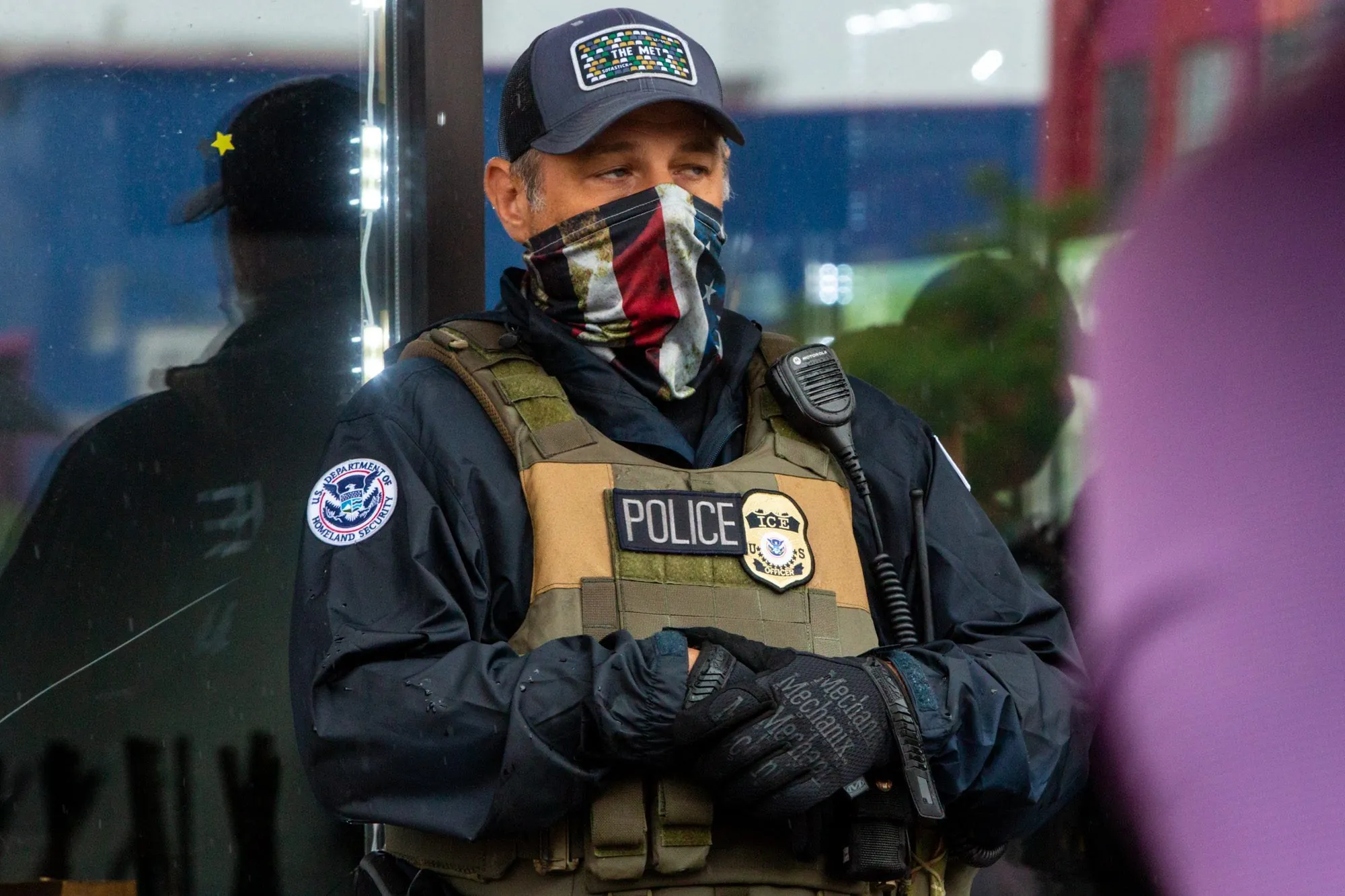
Summary: As of March 7, 2026, the Bay Area remains California's clearest sanctuary-city enforcement branch. The recurring examples described in ICE Spotted's California coverage involve San Francisco immigration-court zones, Oakland's Fruitvale district, and San Jose / Gilroy transit and worker-housing patterns, with a distinctive emphasis on plainclothes surveillance near legal-services offices.
Editorial review: Reviewed March 7, 2026 by the ICE Spotted Research Team against the site's editorial policy. This page summarizes recurring local report patterns and support routes; it is not exhaustive real-time coverage.
Key references: Asian Law Caucus · ACLU immigrants' rights · NILC know-your-rights card · TRAC immigration data
This Bay Area page exists because the search intent is different from both Los Angeles neighborhood reporting and the broader California state guide. Here the defining issue is not warehouse movement or border-region ambiguity. It is the tension between strong sanctuary frameworks and federal adaptation in public-space enforcement, especially around immigration courts, nonprofit legal offices, and transit-linked movement.
San Francisco: Immigration Court Zones and Public-Space Enforcement
The California guide already identifies surveillance outside immigration courts in San Francisco as a recurring pattern. That matters because the local user intent here is often tied to one practical question: what happens around the court building before and after an appearance? A useful Bay Area page therefore needs to distinguish the building perimeter, nearby transit access, and the surrounding legal-services environment instead of treating all downtown presence as one category.
In a sanctuary city, local users often assume strong city policy means low federal visibility. This branch exists partly to explain why that is not always the case.
Oakland Fruitvale: Residential and Corridor Reporting
The parent California page highlights Fruitvale in Oakland as a repeat location for targeted residential arrests. That gives the Bay Area branch a second local pattern distinct from San Francisco court zones: neighborhood-based residential reporting in an area with strong immigrant community infrastructure. For users, the reporting question becomes whether the activity was tied to a building entrance, a commercial corridor, or movement to and from the area rather than just a generic borough-wide alert.
San Jose and Gilroy: South Bay Transit and Worker-Housing Context
In the South Bay, the California guide points to San Jose and Gilroy, especially around agricultural worker housing and Caltrain-linked movement. This adds another distinct intent within the Bay Area branch. Users searching in this region are often trying to understand whether the report belongs to transit-linked surveillance, worker housing, or a court / legal-services environment. Those are related but not interchangeable.
Bay Area alert: If you are documenting activity near a legal clinic or attorney office, note whether the agents were plainclothes, whether badges were visible, whether vehicles remained fixed, and whether the observation occurred before or after client office hours.
Legal-Services Corridor Surveillance
The most distinctive Bay Area pattern in the California state guide is the reported use of plainclothes agents near immigration legal service offices. This is what makes the Bay Area branch structurally different from the rest of California. The relevant question is not only where the report occurred, but whether the location is one where people predictable seek legal help, court accompaniment, or nonprofit support.
That means Bay Area reporting needs to include office type, block location, visible badge behavior, vehicle persistence, and whether the observation happened near a known clinic or advocacy office. For local search, that is a strong and distinct intent compared with Los Angeles, the Valley, San Diego, or Inland Empire.
What Makes a Bay Area Report Useful
- Sub-region first: San Francisco, Oakland Fruitvale, San Jose, Gilroy, or another named corridor.
- Setting: immigration court perimeter, legal clinic area, residential address zone, transit entrance, or worker-housing corridor.
- Agent presentation: plainclothes vs tactical gear, visible badge, marked vs unmarked vehicles, and whether vehicles stayed fixed.
- Date and time: use an absolute date like March 7, 2026 and note whether the report happened before court, after office hours, or during commuter movement.
- Movement pattern: waiting, circling, following, short stop, or apparent surveillance over a longer period.
If you need the reporting workflow, use How to Report ICE Activity Anonymously. If you need documentation guidance, use Documenting ICE Encounters Legally. If the issue turns into a court or rights-prep question, use What to Do If ICE Comes to Your Door and the broader Know Your Rights hub.
Support Context for Bay Area Residents
Asian Law Caucus is already present in the site's California resources and is especially relevant for Bay Area readers because it anchors direct legal-service capacity in San Francisco. That local legal-services footprint is one reason the Bay Area deserves a dedicated branch. The reporting pattern here often intersects directly with legal-help corridors, not just neighborhoods or worksites.
This is also why the Bay Area belongs as its own California branch. Los Angeles covers dense neighborhood reporting. The Central Valley covers agricultural and service-access pressure. San Diego covers mixed-agency border-region context. Inland Empire covers logistics and warehousing. Bay Area covers sanctuary-city enforcement and legal-services-corridor surveillance. Those are five distinct local search and safety needs.