 ICE Spotted
ICE Activity in Illinois 2026: Community Reports and Enforcement Hotspots
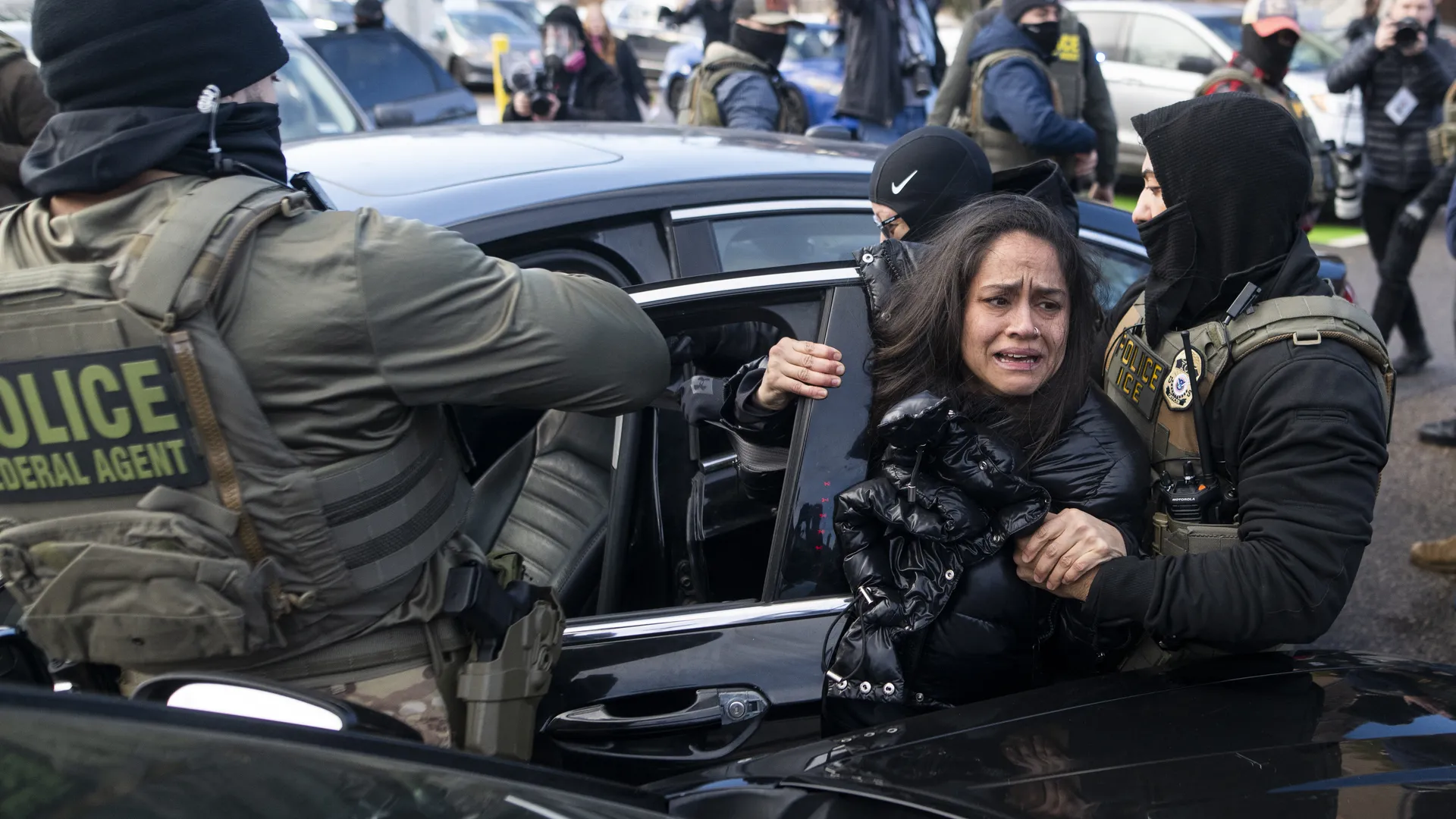
Illinois stands at the intersection of two opposing forces in the immigration enforcement landscape. On one hand, the state has enacted some of the most comprehensive sanctuary protections in the country, including the Illinois TRUST Act, the VOICES Act, and the Illinois Way Forward Act, all designed to limit cooperation between state and local law enforcement and federal immigration authorities. On the other hand, the federal government has dramatically escalated ICE operations across the state in 2026, deploying additional agents to Chicago and surrounding communities and conducting operations that community members describe as more frequent and more aggressive than anything seen in recent memory.
This article provides a neighborhood-by-neighborhood breakdown of where ICE enforcement is being reported across Illinois, how the state's sanctuary protections are being tested by federal operations, and what legal resources are available if you or someone you know encounters ICE in the Prairie State.
Chicago: Pilsen, Little Village, and the Southwest Side
Chicago generates the overwhelming majority of ICE sighting reports from Illinois, and within the city, the greatest concentration of reports comes from neighborhoods on the southwest and northwest sides — areas with large, established Mexican and Central American immigrant communities. Pilsen, historically the heart of Chicago's Mexican-American community, has been a particular focal point of enforcement activity in early 2026.
Community reports submitted through ICE Spotted describe ICE agents conducting surveillance outside homes on residential streets throughout Pilsen, particularly in the blocks surrounding 18th Street between Halsted and Western Avenue. Multiple reports describe unmarked dark SUVs with tinted windows parked for extended periods on residential blocks, with occupants who appear to be monitoring specific addresses. In several cases, witnesses report that agents emerged from these vehicles at dawn, approached residences, and detained individuals as they left for work.
Little Village, known to residents as La Villita, has generated an equally high volume of reports. The 26th Street commercial corridor — one of the highest-grossing retail districts in the Midwest — has seen ICE agents reportedly stationed near commercial establishments, transit stops, and the intersection with Pulaski Road. Community members have reported agents approaching individuals in the parking lots of grocery stores and laundromats, asking for identification. Back of the Yards, the neighborhood immediately south of the historic Union Stock Yards, has also seen a surge in reports, with community members describing early-morning operations targeting multi-family residential buildings.
Welcoming City Ordinance: Chicago's Welcoming City ordinance prohibits city employees, including Chicago Police Department officers, from asking about immigration status, sharing information with ICE, or allowing ICE agents to use city facilities for enforcement purposes. However, this ordinance does not prevent federal agents from conducting their own independent operations within Chicago city limits. If you see CPD officers cooperating with ICE, document and report the incident.
Brighton Park, located between Back of the Yards and Midway Airport, has emerged as another hotspot in 2026. The neighborhood's dense residential streets and proximity to major transportation corridors make it both a target for enforcement and a place where ICE vehicles are frequently spotted in transit. Albany Park on the northwest side — home to one of the most diverse immigrant communities in the city, including large Guatemalan, Korean, and Middle Eastern populations — has also reported increased ICE activity near the Kedzie-Kimball Brown Line station and along Lawrence Avenue.
Suburban Cook County: Cicero, Berwyn, and the Near West Suburbs
While Chicago's sanctuary protections provide some buffer between local police and federal immigration authorities, the suburbs of Cook County present a more complicated picture. Cicero, a dense inner-ring suburb immediately west of Chicago with a population that is more than 85 percent Latino, has become one of the most active enforcement zones in the entire state.
Community reports from Cicero describe a pattern of early-morning raids that has intensified dramatically in 2026. Multiple reports describe teams of ICE agents arriving at residential addresses between 4:00 AM and 6:00 AM, often with four to six vehicles, and detaining multiple individuals from a single address. Witnesses describe agents wearing tactical gear with "POLICE" markings, carrying visible weapons, and in some cases using bullhorns or loudspeakers to order occupants out of homes. The town of Cicero does not have its own sanctuary policy, and community advocates have raised concerns about the level of coordination between local police and federal agents.
Community Alert — Cicero: Reports from January and February 2026 describe a significant escalation in early-morning ICE operations in Cicero, particularly in the area between Cermak Road and 26th Street. If you live in Cicero, familiarize yourself with your rights, keep emergency legal contacts readily accessible, and have a family safety plan in place. Report any ICE activity through ICE Spotted to help alert your neighbors.
Berwyn, adjacent to Cicero, has also reported increased activity, though at lower levels. Reports describe ICE vehicles conducting surveillance on residential streets and near the Berwyn Metra station. Other western suburbs including Melrose Park, Stone Park, and Franklin Park — communities with significant immigrant populations — have also generated reports of enforcement activity, primarily involving unmarked vehicles and plainclothes agents.
DuPage County: Aurora and Naperville
Aurora, the second-largest city in Illinois and located approximately 40 miles west of Chicago in DuPage and Kane Counties, has seen a notable increase in ICE enforcement reports in 2026. The city's east side, which has a large Latino population, has been the focus of most reported activity. Community members describe agents stationed near the Aurora Transportation Center, conducting surveillance in residential neighborhoods, and in several instances, approaching individuals outside the Kane County courthouse.
The courthouse surveillance reports are particularly concerning to legal advocates. Multiple community members have reported seeing individuals who appear to be ICE agents — wearing civilian clothing but carrying concealed badges and radios — waiting in vehicles outside the Kane County courthouse on specific court dates. Attorneys who practice immigration law in the area believe that agents are monitoring court calendars and targeting individuals who appear for hearings on minor criminal matters. This tactic has been reported in other states and has drawn criticism from judges and bar associations who argue that it undermines the administration of justice by discouraging individuals from appearing in court.
Naperville, one of the wealthiest suburbs in Illinois, has generated fewer reports than Aurora, but community members have still documented ICE activity near apartment complexes on the city's south side and in commercial areas along Route 59 that are frequented by immigrant families.
Lake County: Waukegan, North Chicago, and the North Shore
Lake County, located along the Wisconsin border north of Chicago, is home to significant Latino communities in Waukegan, North Chicago, Round Lake, and Mundelein. Waukegan, the county seat, has generated the most ICE sighting reports from this region in 2026. Community members describe agents conducting operations near the Waukegan Metra station, at bus stops along Grand Avenue and Washington Street, and in residential areas of the city's south and west sides.
North Chicago, adjacent to the Great Lakes Naval Station, has also reported enforcement activity. Community members describe ICE vehicles conducting patrols in residential neighborhoods and agents approaching individuals near convenience stores and check-cashing businesses. Round Lake and Mundelein have generated smaller numbers of reports, primarily describing unmarked vehicles conducting surveillance on residential streets.
One pattern that Lake County community organizations have flagged is the apparent targeting of individuals traveling by public transit. Multiple reports describe ICE agents boarding Pace buses or waiting at bus stops along routes that serve predominantly immigrant neighborhoods, checking identification of passengers. This tactic, if confirmed, would represent an expansion of enforcement into spaces that immigrant communities depend on for daily transportation.
Illinois Sanctuary State Protections: The TRUST Act, VOICES Act, and Illinois Way Forward Act
Illinois has built one of the most comprehensive sets of sanctuary protections of any state in the nation. Understanding these laws is critical for Illinois residents who may encounter ICE or interact with state and local law enforcement.
The Illinois TRUST Act, enacted in 2017, prohibits state and local law enforcement agencies from honoring ICE detainer requests unless accompanied by a valid judicial warrant. This means that if you are arrested for a state or local offense and booked into a county jail, the jail cannot hold you past your scheduled release date solely because ICE has filed a detainer request. The TRUST Act was a direct response to the practice of local jails holding individuals for extended periods at ICE's request, often without any judicial oversight.
The VOICES Act, signed into law in 2021, expanded protections further by prohibiting local law enforcement from entering into new 287(g) agreements with ICE and restricting the use of local resources for immigration enforcement purposes. The law also requires that individuals detained by law enforcement be informed of their right to refuse to answer questions about their immigration status.
The Illinois Way Forward Act, enacted in 2021, prohibits state and local law enforcement from entering into contracts to house ICE detainees in local jails and restricts the ability of private immigration detention facilities to operate within the state. The law also limits the ability of local law enforcement to participate in joint task forces with ICE unless the task force is focused on specific criminal investigations unrelated to immigration enforcement.
Important Legal Note: While Illinois' sanctuary laws significantly limit cooperation between local police and ICE, they do not prevent federal agents from operating independently within the state. ICE agents have full legal authority to conduct enforcement operations anywhere in Illinois, and they do not need the permission or assistance of local law enforcement to do so. The sanctuary protections mean that your local police should not be helping ICE, but ICE can still operate on its own.
How to Report ICE Sightings in Illinois
If you witness ICE enforcement activity anywhere in Illinois, submitting a timely and detailed report helps your community stay informed and helps advocacy organizations track enforcement patterns. When documenting a sighting, include as much detail as possible:
- Location: City, neighborhood, cross streets, or nearby landmarks. In Chicago, specify the neighborhood name (e.g., Pilsen, Little Village, Albany Park).
- Time: When you observed the activity, including whether agents appeared to be setting up, actively conducting an operation, or departing.
- Vehicles: Number, type (van, SUV, sedan), color, and whether they had government plates, visible markings, or were unmarked.
- Agents: Number of agents visible, attire (tactical gear, plainclothes, vests with "POLICE" or "ICE" markings), and what they appeared to be doing.
- Local police involvement: Whether Chicago PD, county sheriff, or other local agencies appeared to be present or assisting. This is particularly important in Illinois given the state's sanctuary protections.
You can submit a report using the anonymous form below or through the ICE Spotted homepage. All reports are anonymous — no IP address, name, or identifying information is collected or stored.
Legal Resources for Illinois Residents
Illinois offers a strong network of legal resources for immigrants facing enforcement actions:
- National Immigrant Justice Center (NIJC): Based in Chicago, NIJC provides direct legal services to immigrants and asylum seekers, including detained individuals, unaccompanied children, and survivors of trafficking and domestic violence. They also operate a legal hotline and provide know-your-rights training.
- Illinois Coalition for Immigrant and Refugee Rights (ICIRR): A statewide coalition that coordinates rapid response networks, provides community education, and advocates for immigrant-protective policies. ICIRR maintains an ICE raid hotline that connects community members with trained rapid responders and legal observers.
- Heartland Alliance: Provides legal representation to immigrants in removal proceedings, including individuals detained at federal facilities. Their National Immigrant Justice Center program handles cases across the Midwest.
- Organized Communities Against Deportations (OCAD): A Chicago-based undocumented-led organization that provides rapid response support, community defense training, and accompaniment for individuals facing deportation.
- Legal Aid Chicago: Offers free immigration legal services to low-income residents, including DACA renewals, family-based petitions, and removal defense.
Remember: Regardless of your immigration status, you have constitutional rights in Illinois. You have the right to remain silent, the right to refuse consent to a search, and the right to ask whether agents have a judicial warrant signed by a judge. Under Illinois law, local police should not be asking about your immigration status or cooperating with ICE detainer requests. If you believe your rights under Illinois sanctuary laws have been violated, contact the ACLU of Illinois or ICIRR immediately.
ICE Activity Map: Illinois Reports
The map below shows recent community-reported ICE activity across Illinois. Red markers indicate reported sightings, checkpoints, and enforcement operations in the Chicago metro area and other locations statewide.