 ICE Spotted
Bronx Courthouse ICE Arrests 2026: Reports, Rights, and What to Do
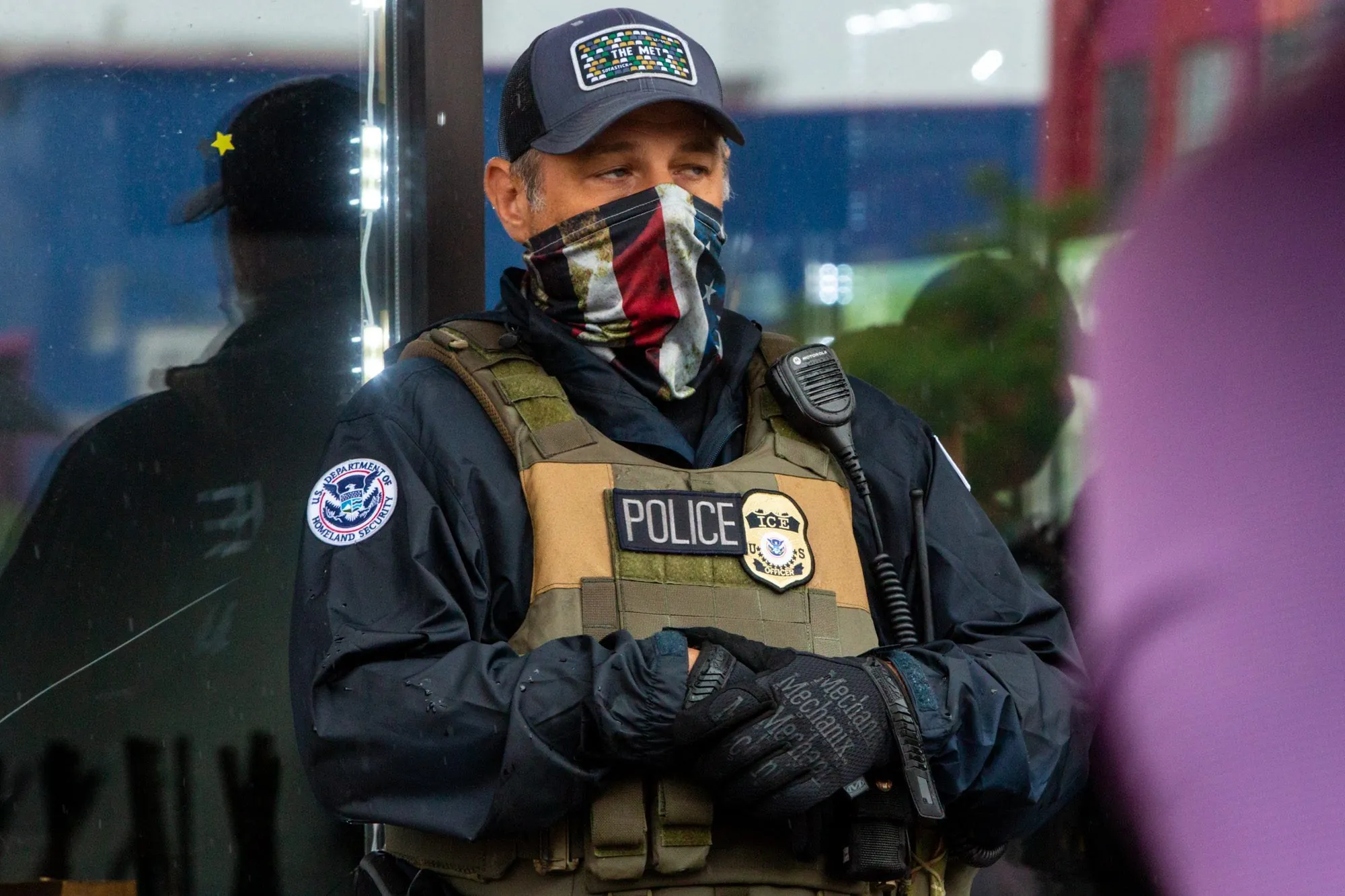
Summary: As of March 7, 2026, Bronx courthouse reporting remains one of the clearest legal-risk patterns within New York City coverage. The recurring issue is not just agent presence inside or outside one building. It is the combination of criminal, family, and housing court routes, sidewalk surveillance, and arrests or attempted stops immediately before or after court business.
Editorial review: Reviewed March 7, 2026 by the ICE Spotted Research Team against the site's editorial policy. This page explains recurring report patterns and general rights guidance, not individualized legal advice.
Key references: NYC MOIA Know Your Rights · ActionNYC legal help · Legal Aid immigration help · ACLU immigrants' rights
This page exists because "ICE activity in the Bronx" is not specific enough for people with a court date. The highest-risk local pattern is tied to courthouse access and exit, not just borough-wide vehicle sightings. People moving through Bronx Criminal Court, Bronx Family Court, and Bronx Housing Court need a narrower guide that connects report patterns to court logistics, local support, and practical documentation steps.
What People Are Reporting Around Bronx Courts
The recurring pattern described in the broader New York state page involves agents or agent-like activity on the sidewalks, steps, and approach corridors around Bronx court buildings rather than only inside a courtroom. That distinction matters. A person with a traffic, housing, or family matter may feel safe once they understand the hearing itself, but the practical risk often starts before entry and continues after exit.
For search and for users, a useful local courthouse page should separate three zones: the building perimeter, the sidewalk / steps, and the nearest transit or pickup corridor. Those are different report environments. A sighting on East 161st Street is not the same as agent presence at a train entrance or in a parked-vehicle line one block away.
Why This Is a Different User Intent from a Borough-Wide Guide
A borough page helps people understand where reporting concentrates. A courthouse page helps people prepare for one concrete event: a scheduled appearance. That means the content has to answer different questions. Should someone arrive with a companion? Which details should be documented if they see agent presence? What should family members or advocates watch for outside the building? What local legal help should be ready before the hearing date?
That is also why this page fits best under rights and local-response architecture rather than under a generic incident archive. A person searching for courthouse arrests is usually looking for practical next steps, not just a description of general borough activity.
What to Document If You See Courthouse-Adjacent Activity
- Which court: criminal, family, housing, or another nearby court building.
- Which approach: front steps, side entrance, perimeter sidewalk, or nearby transit entrance.
- Vehicle context: whether vehicles were parked, circling, or staged for pickup.
- Timing: use an absolute date like March 7, 2026 plus the approximate hour, not only "today."
- Interaction type: waiting, questioning, following, attempted stop, or confirmed arrest.
If you need the general reporting workflow, use How to Report ICE Activity Anonymously. If you need evidence-preservation guidance, use Documenting ICE Encounters Legally. If the issue becomes a home visit before or after court, use What to Do If ICE Comes to Your Door.
Practical Rights Context Before a Bronx Court Date
Local-rights guidance is strongest when it is specific. New York City's Know Your Rights materials explain that immigration status questions, warrant issues, and public-space documentation rights should be understood before an encounter begins. The city page was listed as updated on July 18, 2025, making it a practical baseline source to review before a hearing date.
For someone with a scheduled court appearance, the most useful planning step is often not abstract legal theory but a simple support plan: share the exact building and time with a trusted contact, arrive with an advocate when possible, and know in advance who will document any suspicious sidewalk activity from a safe distance.
Courthouse alert: If you have a court appearance, think about the approach path as well as the hearing itself. Sidewalks, stairs, and curbside pickup zones are part of the risk picture, not just the inside of the building.
Bronx-Specific Local Resources
ActionNYC remains one of the clearest city-backed legal intake routes for Bronx residents. The city says residents can call 800-354-0365 or 311 to access immigration legal support. For direct immigration and deportation representation context, The Legal Aid Society's immigration help page also points New Yorkers toward city and detained-defense resources.
For borough-specific organizing and rapid-response support, the broader New York resource ecosystem still matters. Bronx residents may rely on citywide and borough-accessible networks rather than one single Bronx-only institution. That is why the main resources page and the New York state guide remain important parent pages in this cluster.
How This Page Fits into the New York Cluster
This page should be read alongside the broader New York community reports page and the new Queens neighborhood guide. Queens helps with station and neighborhood patterns. The Bronx courthouse page exists for a different intent: people who need rights and logistics around scheduled court movement, not just a borough label.