 ICE Spotted
ICE Activity in Queens 2026: Jackson Heights, Corona, and Elmhurst Reports
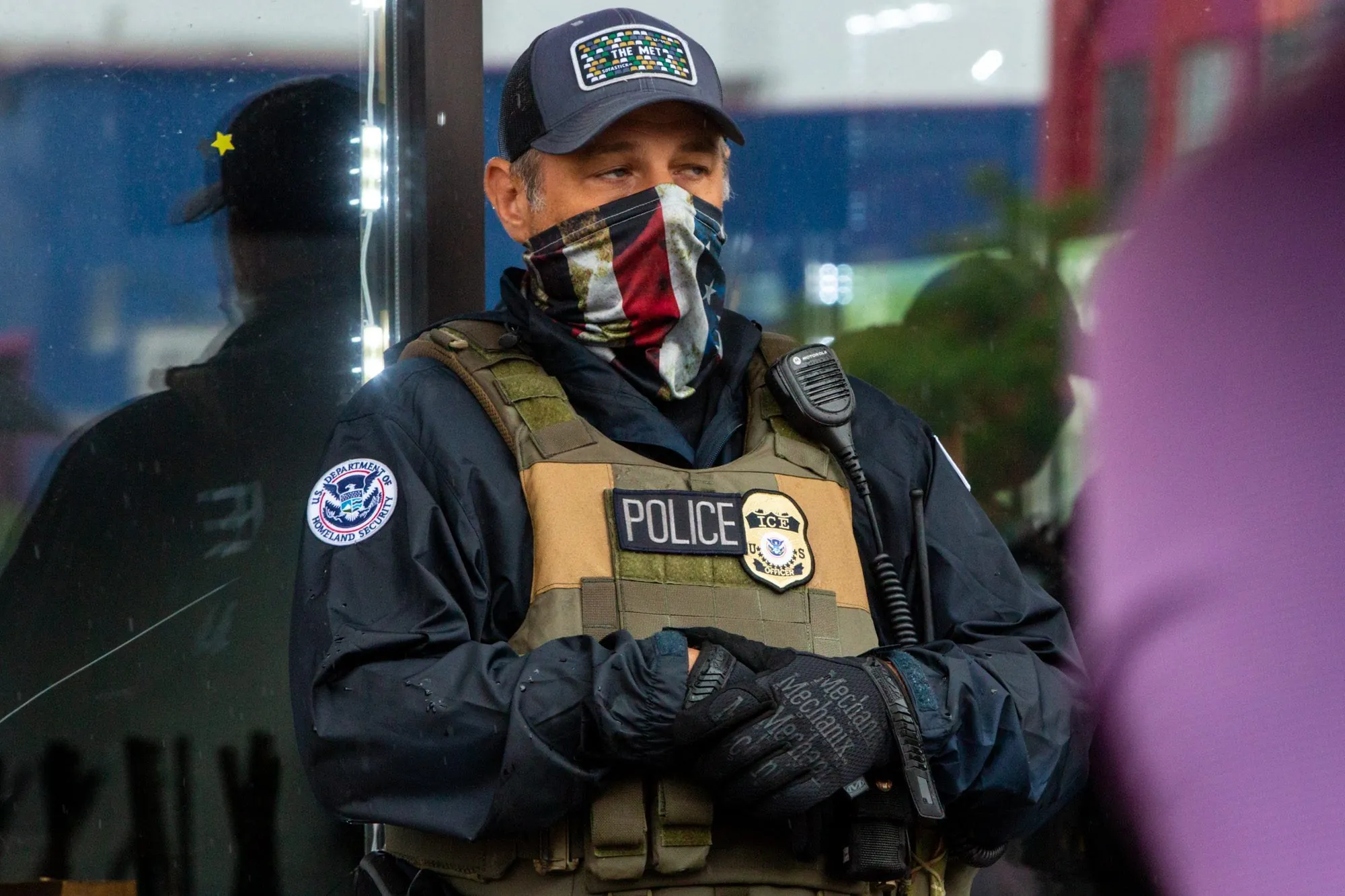
Summary: As of March 7, 2026, the strongest neighborhood-level pattern in ICE Spotted's New York coverage remains concentrated in Jackson Heights, Corona, and Elmhurst. Recurring community reports focus on transit nodes, Roosevelt Avenue, residential side streets, and workday staging areas rather than one single static enforcement site.
Editorial review: Reviewed March 7, 2026 by the ICE Spotted Research Team against the site's editorial policy. This page summarizes recurring report patterns and local support options; it is not exhaustive real-time coverage.
Key references: NYC MOIA Know Your Rights · ActionNYC legal help · Legal Aid immigration help · Make the Road New York
Queens is not just one more borough in the broader New York state reporting page. It is the part of New York City where neighborhood density, multilingual commercial corridors, and transit interchanges create the clearest repeat pattern in community reporting. In practical terms, that means a Queens-specific page is more useful than a citywide summary when residents need to decide what details to document, what resources to keep ready, and which local organizations can respond quickly.
Jackson Heights: Roosevelt Avenue and the 74th Street Transit Complex
The recurring report pattern in Jackson Heights centers on Roosevelt Avenue, the commercial corridor around 74th Street-Broadway, and the blocks feeding into the 7, E, F, M, and R lines. That matters because the area concentrates commuters, street vendors, shoppers, and apartment entrances in a relatively small footprint. Reports that only say "ICE in Queens" are often too vague to help anyone. Reports that specify the station entrance, cross street, or direction of travel are much more actionable.
Queens-specific reporting also benefits from time context. When reports mention early-morning building access attempts, observers should note whether agents stayed outside, used intercom systems, or appeared to wait near known entrances. When reports involve transit-adjacent surveillance, the useful details are which entrance, which side of Roosevelt Avenue, and whether the vehicles or agents remained fixed or rotated locations.
Corona and Elmhurst: Residential Blocks, Junction Boulevard, and Hospital Vicinity
The neighboring Queens pattern is different. In Corona and Elmhurst, recurring reports cluster around Junction Boulevard, the area near Queens Center Mall, and residential streets around Elmhurst Hospital. These are not interchangeable with Jackson Heights transit reports. They often involve curbside vehicle sightings, repeated van presence on the same block, or targeted approaches near apartment entrances and commercial loading areas.
That distinction matters for SEO and for users. A good local page should separate station-area surveillance from residential-address operations and workday corridor sightings. Otherwise the content starts sounding like every other city page. Queens has enough repeated geography and enough local support infrastructure that it can sustain its own cluster.
What Makes a Queens Report Useful
- Neighborhood first: Jackson Heights, Corona, Elmhurst, East Elmhurst, or another Queens sub-area.
- Transit context: station entrance, bus hub, elevated platform, or cross street near the station.
- Vehicle pattern: number of SUVs or vans, whether they stayed parked, circled, or moved in convoy.
- Building context: apartment entrance, school perimeter, courthouse route, hospital vicinity, or vendor corridor.
- Time marker: include an absolute date like March 7, 2026 when reporting after the fact, not just "this morning."
If you are documenting activity, use the workflow from How to Report ICE Activity Anonymously and the evidence guidance in Documenting ICE Encounters Legally. If the encounter is happening at a residence, the most important companion guide is What to Do If ICE Comes to Your Door.
Local Queens and NYC Support Resources
Queens residents do not need to start from scratch when looking for support. The New York City Mayor's Office of Immigrant Affairs states on its Know Your Rights page that the city maintains multilingual materials on federal immigration enforcement, detention, and sanctuary protections. That page was listed by the city as last updated on July 18, 2025, which makes it a good baseline source for current public-rights handouts.
ActionNYC remains the clearest city-funded legal intake route for Queens residents who need immigration legal help. The city describes it as free and safe legal support and directs residents to call 800-354-0365 or 311 for appointments. For detained or high-risk cases, The Legal Aid Society's immigration and deportation help page also points New Yorkers to MOIA's legal support hotline and NYIFUP representation pathways.
At the borough level, Make the Road New York's Here to Stay center is especially relevant because it anchors one of the strongest immigrant-organizing footprints in Queens. For families navigating school, work, and neighborhood safety in Jackson Heights, that kind of local institution is often more practically useful than a generic statewide directory.
How This Page Fits into the New York Cluster
This Queens page is intentionally narrower than the statewide New York guide. The state page helps compare boroughs, Long Island, and upstate regions. This page exists to support a more local content architecture: borough page -> neighborhood pattern -> rights guide -> local legal help. That structure is more useful for search and much more useful for residents trying to act quickly.