 ICE Spotted
ICE Activity in North Carolina 2026: Community Reports and Enforcement Hotspots
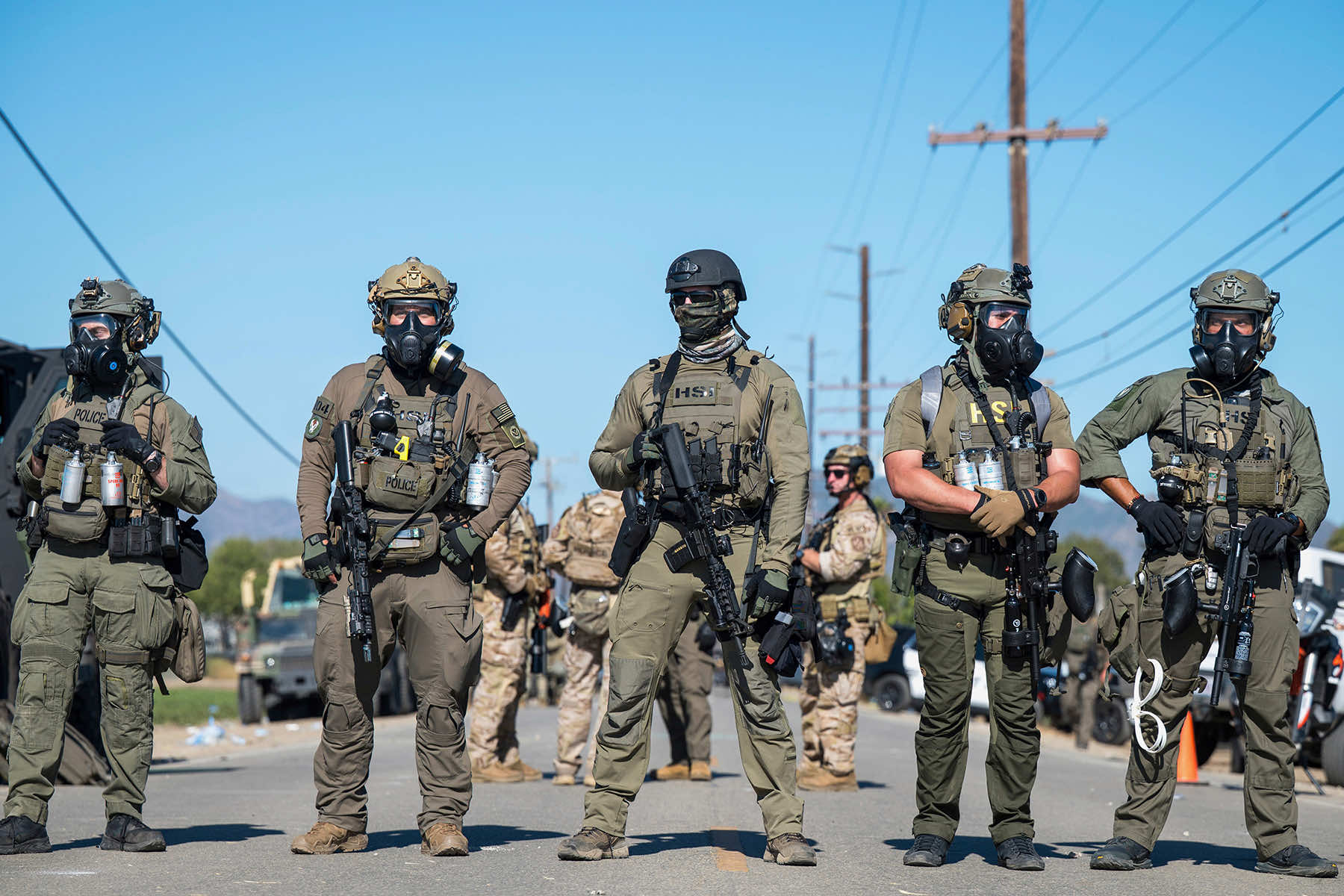
North Carolina has become one of the most active states for immigration enforcement in the southeastern United States. With a rapidly growing immigrant population — estimated at over 800,000 foreign-born residents — the state has drawn increased attention from federal Immigration and Customs Enforcement (ICE) agents operating across its major metropolitan areas, mid-sized cities, and rural agricultural communities. In 2026, community reports submitted through ICE Spotted reveal a troubling pattern of escalating enforcement actions that span the state from Charlotte to the coast, touching communities that have long been home to immigrant families who power the state's economy.
This article provides a detailed region-by-region breakdown of where ICE operations are being reported in North Carolina, the state's complex legal landscape around immigration enforcement cooperation, and the resources available to residents who encounter federal agents in their neighborhoods, workplaces, and public spaces.
Charlotte Metro Area: South Boulevard Corridor and East Charlotte
Charlotte, the largest city in North Carolina, consistently generates the highest volume of ICE sighting reports in the state. The Charlotte metropolitan area is home to one of the fastest-growing Latino communities in the Southeast, with significant populations concentrated along the South Boulevard corridor, in East Charlotte neighborhoods like Plaza Midwood and Eastway, and in surrounding suburbs including Pineville, Matthews, and Mint Hill.
Community reports from early 2026 describe a persistent ICE presence along South Boulevard, particularly near public transit stops on the LYNX Blue Line. Multiple witnesses have reported agents in unmarked vehicles conducting surveillance near the Woodlawn and Tyvola stations, areas surrounded by apartment complexes with large immigrant populations. Reports also describe early-morning operations — typically between 4:00 AM and 6:30 AM — at residential addresses in East Charlotte, where agents arrive in groups of three to five unmarked SUVs and target specific units in apartment complexes.
Mecklenburg County Context: Mecklenburg County, which includes Charlotte, previously participated in the 287(g) program under former Sheriff Irwin Carmichael. That program was ended in 2019 by Sheriff Garry McFadden, who took office on a platform of non-cooperation with ICE. However, the county's history of cooperation means that ICE has established operational infrastructure in the region that persists even without active local assistance.
The East Charlotte corridor along Central Avenue, sometimes called the "International Corridor" for its concentration of immigrant-owned businesses, restaurants, and cultural institutions, has also been a frequent location for reported ICE activity. Community members describe agents approaching individuals in the parking lots of shopping centers and near tiendas. Some reports indicate that agents have been seen photographing vehicles and license plates at businesses along Central Avenue without making arrests, suggesting ongoing surveillance operations.
Raleigh-Durham-Chapel Hill Triangle: Courthouse Operations and University Areas
The Research Triangle region — encompassing Raleigh, Durham, and Chapel Hill — is the second-largest metropolitan area in North Carolina and home to a diverse immigrant population that includes significant Latino, South Asian, and East African communities. ICE enforcement activity in the Triangle has a distinct pattern compared to Charlotte: agents appear to focus more heavily on courthouse operations and areas near government offices.
In Raleigh, multiple community reports describe ICE agents conducting surveillance outside the Wake County Courthouse and the Wake County Justice Center. Witnesses have reported agents stationed in vehicles in courthouse parking lots and approaching individuals as they exit after court hearings — a practice that immigrant rights advocates argue has a chilling effect on access to justice. Additional reports from Raleigh describe agents near the bus station on West Jones Street and in neighborhoods along Capital Boulevard and New Bern Avenue.
Durham has generated a steady stream of reports documenting early-morning operations in neighborhoods near the city's downtown core. Community members in areas like Lakewood, Old North Durham, and the Duke Street corridor have described coordinated operations involving multiple unmarked vehicles arriving at residential addresses before dawn. Durham's proximity to its county jail and courthouse complex has also created a focal point for enforcement activity, with agents reportedly waiting in the vicinity to intercept individuals with pending immigration cases.
Community Alert: Immigrant advocacy organizations in the Triangle area report that ICE agents have been approaching individuals outside courthouses in Wake and Durham counties. You are not required to speak with ICE agents or answer questions about your immigration status. If you witness courthouse enforcement, document the date, time, and location, and report it through ICE Spotted or contact the NC Justice Center.
Chapel Hill, while smaller and generally considered more protective of immigrant communities through its local policies, has not been immune to ICE activity. Reports describe agents operating in neighboring Carrboro and in unincorporated areas of Orange County, particularly near mobile home communities where many immigrant workers reside.
Greensboro, Winston-Salem, and the Triad Region
The Piedmont Triad — anchored by Greensboro, Winston-Salem, and High Point — is a major manufacturing and logistics hub that employs a significant immigrant workforce. Community reports from this region describe ICE activity centered around workplaces, transit hubs, and residential neighborhoods with high concentrations of immigrant families.
In Greensboro, the J. Douglas Galyon Depot bus station has been the subject of multiple reports. Community members describe agents in plainclothes approaching bus passengers and asking for identification, a practice that raises serious Fourth Amendment concerns. Additional reports from Greensboro describe operations in neighborhoods along East Market Street, Lee Street, and the area surrounding the Guilford County courthouse.
Winston-Salem's immigrant community, centered in neighborhoods along Waughtown Street and the Old Town area, has reported a noticeable increase in ICE vehicle sightings. Reports describe unmarked white and gray SUVs with government plates conducting slow-speed patrols through residential streets during early morning and evening hours. High Point, known for its furniture manufacturing industry, has also generated reports of agents near industrial parks and warehouses where immigrant workers are employed.
Rural North Carolina: Poultry, Agriculture, and Duplin and Sampson Counties
Some of the most concerning ICE enforcement patterns in North Carolina are unfolding in the state's rural communities, where immigrant workers form the backbone of the agricultural and poultry processing industries. Duplin County and Sampson County, located in eastern North Carolina, are home to some of the largest poultry and hog processing operations in the country. These industries depend heavily on immigrant labor, and the communities that have grown around them are overwhelmingly Latino.
Community reports from Duplin and Sampson counties describe ICE vehicles stationed near processing plant entrances during shift changes, agents approaching workers in the parking lots of Dollar General and Family Dollar stores — often the only retail options in small rural towns — and coordinated operations in mobile home parks that house plant workers and their families. The isolation of these communities makes enforcement actions particularly frightening, as there are few nearby legal resources and limited access to rapid response networks.
Similar patterns have been reported from agricultural communities in other parts of the state, including the Christmas tree-growing region in the western mountains around Avery and Watauga counties, and the sweet potato farming region around Johnston and Wilson counties. In these areas, ICE operations tend to increase during peak harvest seasons when immigrant labor demand is highest.
Workplace Rights: Even if ICE agents appear at your workplace, they generally cannot enter non-public areas without a judicial warrant or the employer's consent. You have the right to remain silent and do not have to answer questions about your immigration status or country of origin. If agents enter your workplace, calmly ask to see a warrant and contact an attorney immediately.
North Carolina's Legal Landscape: 287(g), HB 370, and Sheriff Cooperation
North Carolina has one of the most complex legal environments for immigration enforcement in the country. The state has historically had more local law enforcement agencies participating in the 287(g) program — which deputizes local officers to perform certain immigration enforcement functions — than nearly any other state. As of 2026, several North Carolina counties maintain active 287(g) agreements, including Cabarrus, Henderson, and Gaston counties. These agreements give local sheriffs and jail staff the authority to check the immigration status of individuals booked into county jails and to issue detainers on behalf of ICE.
North Carolina also enacted HB 370, a law that requires local law enforcement agencies to cooperate with ICE detainer requests and prohibits local governments from adopting sanctuary city policies. This law, which went into effect in 2019, means that North Carolina sheriffs are required by state law to notify ICE when they have a person in custody who may be subject to an immigration detainer. Unlike states with sanctuary protections like California or New Jersey, North Carolina's legal framework actively facilitates cooperation between local and federal enforcement.
However, the degree of cooperation varies significantly by county. Some sheriffs go beyond the minimum requirements of HB 370, actively assisting ICE with operations and maintaining close working relationships with federal agents. Others comply with the letter of the law while privately expressing discomfort with the role immigration enforcement plays in eroding trust between law enforcement and immigrant communities. This patchwork of cooperation levels means that the experience of encountering law enforcement as an immigrant in North Carolina can vary dramatically depending on which county you are in.
How to Report ICE Sightings in North Carolina
If you witness ICE enforcement activity anywhere in North Carolina, submitting a timely report helps your community stay informed and can help legal organizations identify patterns of enforcement. When documenting a sighting, include as much detail as possible:
- Location: City, cross streets, or nearby landmarks. Note whether the activity was near a courthouse, workplace, bus station, or residential area.
- Time: When you observed the activity, including whether it was an early-morning operation or daytime enforcement.
- Vehicles: Number, type (van, SUV, sedan), color, and whether they had government plates or visible markings.
- Agents: Number of agents visible, what they were wearing (tactical gear, plainclothes, vests with markings), and what they appeared to be doing.
- Other agencies: Whether local sheriff's deputies or police appeared to be involved in the operation.
You can submit a report using the anonymous form below or through the ICE Spotted homepage. All reports are anonymous — no IP address, name, or identifying information is collected.
Legal Resources for North Carolina Residents
North Carolina has a growing network of legal organizations that provide services to immigrants facing enforcement actions. Key resources include:
- NC Justice Center: Provides policy advocacy, legal resources, and community education on immigrant rights throughout North Carolina. Their Immigration and Refugees Project focuses specifically on enforcement issues.
- El Centro Hispano: Based in Durham and Raleigh, El Centro Hispano provides direct legal services, know-your-rights training, and community support for Latino immigrants in the Triangle region.
- Siembra NC: A grassroots organization focused on immigrant rights in North Carolina, offering rapid response coordination, community organizing, and legal referrals.
- ACLU of North Carolina: Monitors immigration enforcement practices across the state, operates a rights violation reporting system, and provides legal representation in cases involving constitutional rights violations during ICE operations.
Remember: Regardless of your immigration status, you have constitutional rights. You have the right to remain silent, the right to refuse consent to a search, and the right to ask whether agents have a judicial warrant signed by a judge. You are not required to open your door to ICE agents unless they present a warrant signed by a federal judge — not an administrative warrant issued by ICE itself.
ICE Activity Map: North Carolina Reports
The map below shows recent community-reported ICE activity across North Carolina. Red markers indicate reported sightings, checkpoints, and enforcement operations in Charlotte, Raleigh, Durham, Greensboro, and surrounding areas.