 ICE Spotted
How-To
Immigration Court Continuance: How to Ask for More Time
Written-motion guide covering good-cause evidence, pending-USCIS factors, last-minute hearing risk, and what to do while the motion is still pending.
Browse 14 how-to guides and explainers, organized by publication date with direct links to source-backed articles.
Written-motion guide covering good-cause evidence, pending-USCIS factors, last-minute hearing risk, and what to do while the motion is still pending.

Merits-hearing guide covering exhibit deadlines, witness lists, testimony flow, remote-hearing rules, and the 30-day appeal clock.

Pre- vs post-conclusion voluntary departure, bond timing, appeal consequences, and the penalties triggered by missing the departure window.
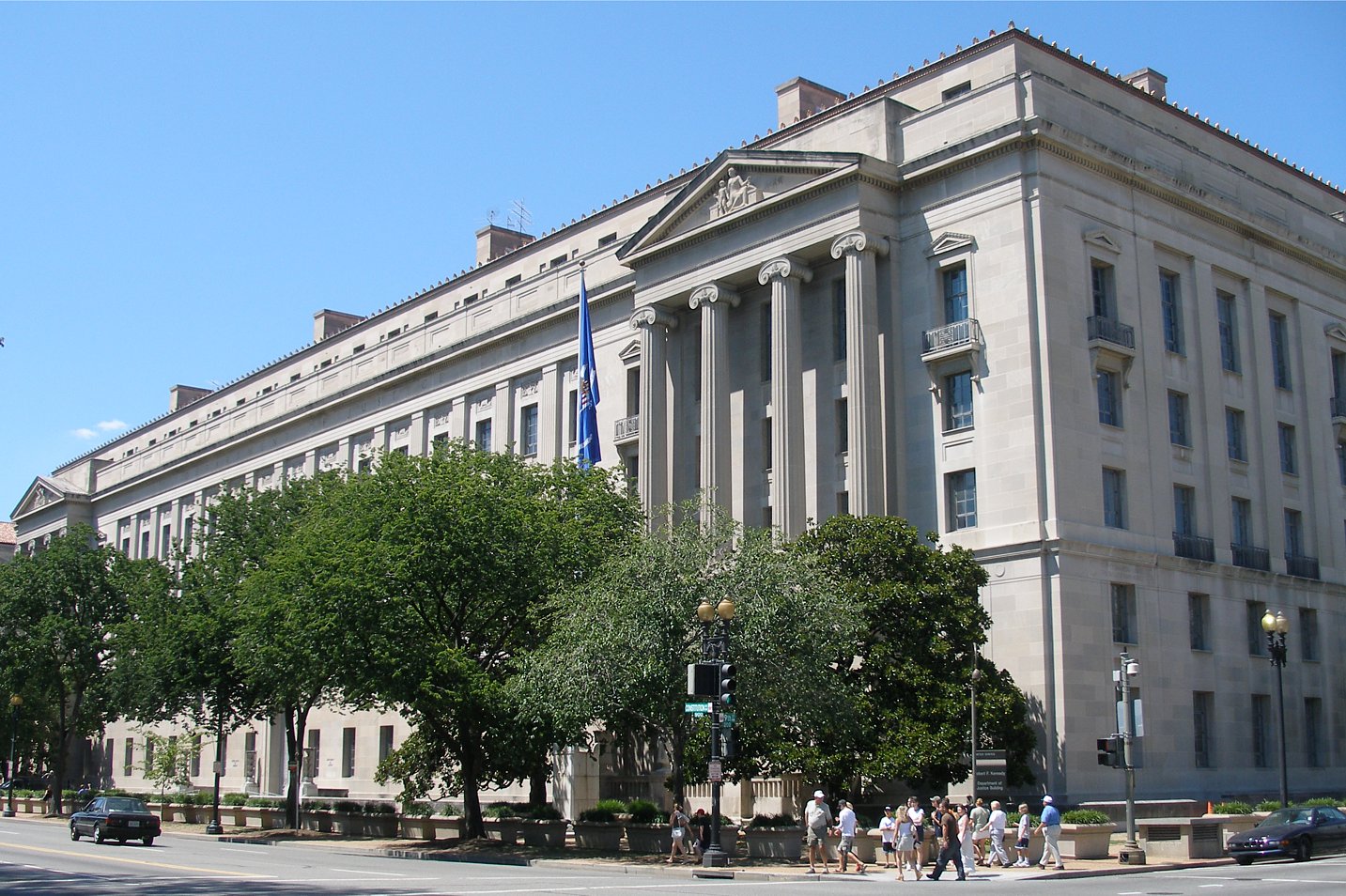
Missed-hearing recovery guide covering 180-day deadlines, notice-based reopening, automatic stay rules, and evidence priorities.

How ICE visitation rules usually work, what identification visitors need, when minors are allowed, and how to plan for video or attorney visits.

What the first immigration court hearing covers, what to bring, when to ask for more time, and how to avoid missed-notice problems.
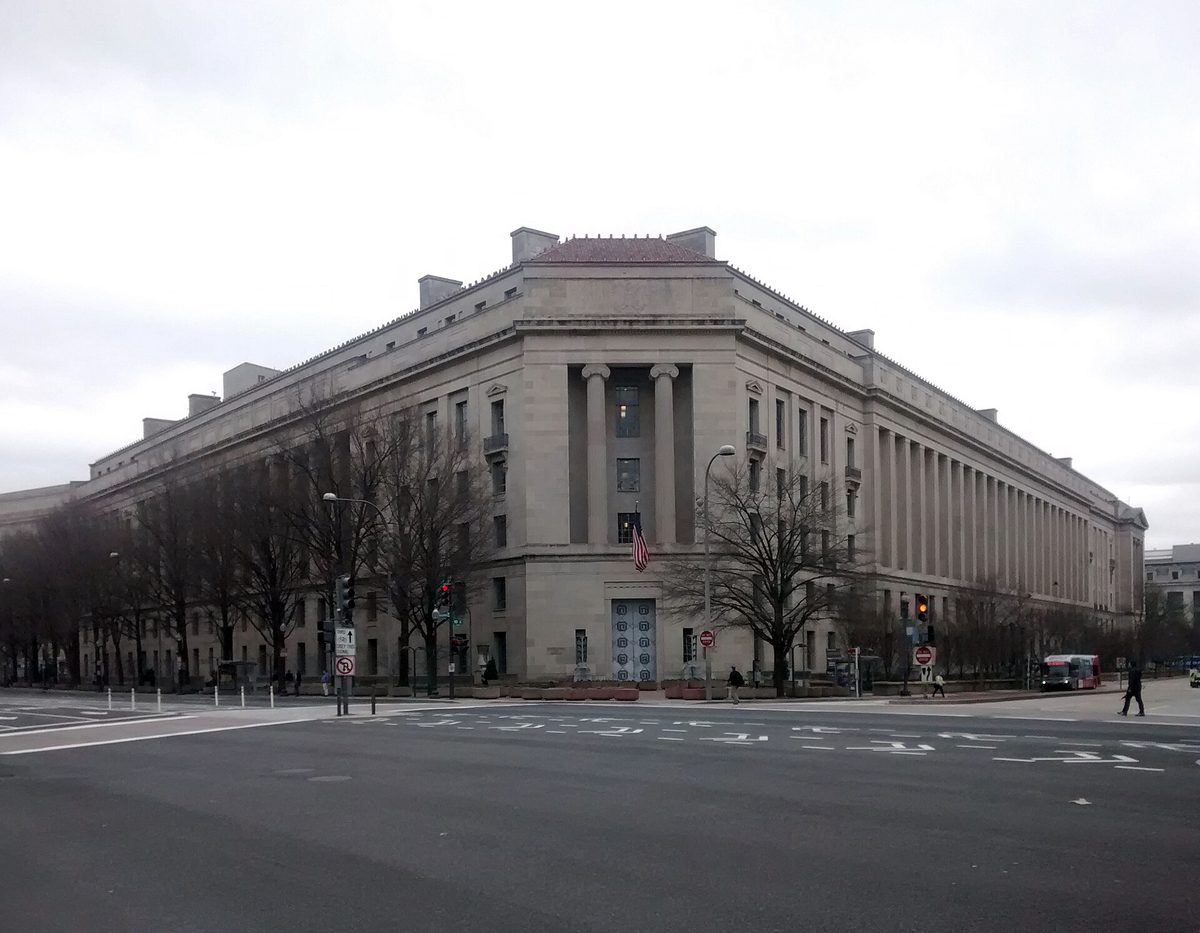
How to file EOIR-33, serve DHS correctly, update ICE after a move, and avoid the venue mistakes that cause missed-hearing crises.
How bond hearings work, who may qualify, what evidence matters most, and how to turn a court order into actual release planning.
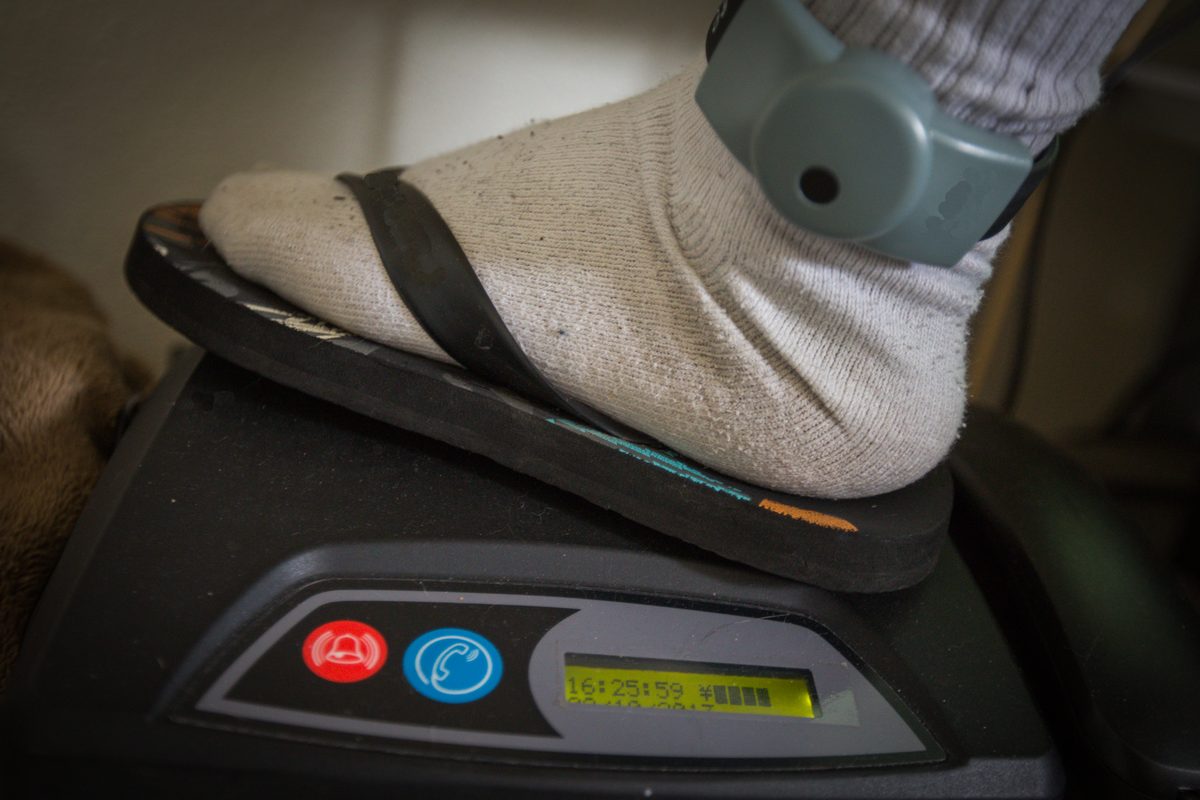
How GPS and SmartLINK supervision usually work, what triggers violations, and how to document compliance and request less restrictive conditions.

How to prepare for ICE reporting appointments, what documents to carry, how to handle reschedules, and what to do after a missed check-in.

A practical court-date checklist covering EOIR portal verification, hotline backup checks, and address-update safeguards.

A practical refund workflow covering I-391 cancellation records, lost I-305 replacements, and Bond Unit status follow-up.
Tariffs are collected through the Harmonized Tariff Schedule. Here's how to look up an HTS code, verify the duty rate, and track Trump-era tariff changes in primary sources.
The Federal Register is the fastest, most reliable way to verify executive actions and implementation. Here's how to use it for Trump-era policy tracking.