ICE Checkpoints in 2026: Locations, Legality, and Your Rights
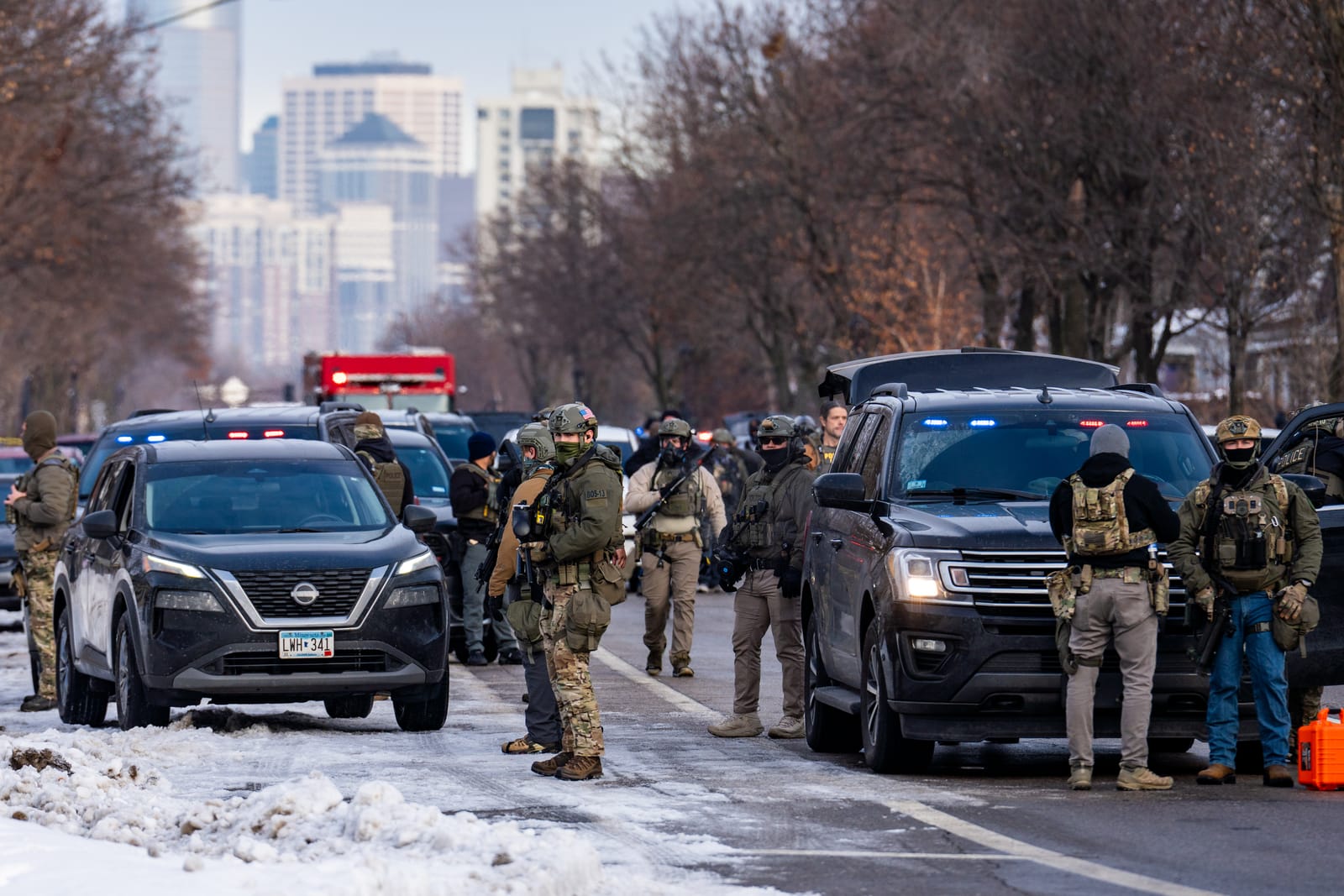
Immigration checkpoints have been a part of U.S. border enforcement for decades, but in 2026, ICE checkpoint activity has expanded significantly beyond traditional border zones. Community members across the country are reporting vehicle checkpoints, transit station stops, and highway operations in locations that were previously uncommon for immigration enforcement. This guide explains where ICE checkpoints are being established, the legal framework that governs them, and your constitutional rights if you encounter one.
What Is an ICE Checkpoint?
An ICE checkpoint is a temporary or semi-permanent location where federal agents stop vehicles or pedestrians to inquire about immigration status. These differ from Border Patrol checkpoints, which are operated by Customs and Border Protection (CBP) and are typically located within 100 miles of the U.S. border. ICE checkpoints are operated by Immigration and Customs Enforcement and have been documented in interior locations far from any international border.
In practice, ICE checkpoints in 2026 have taken several forms. Some are traditional roadblock-style operations where agents stop every vehicle passing through a section of highway. Others are more targeted, with agents stationed near specific locations such as courthouses, public transit stations, bus terminals, airports, and government buildings. Community reports submitted to ICE Spotted indicate that checkpoint-style operations are most frequently reported at highway off-ramps, interstate rest stops, Greyhound bus stations, and near immigration court buildings.
Where Are ICE Checkpoints in 2026?
ICE checkpoint locations vary significantly by region and change frequently. However, community reports and public records reveal consistent patterns about where checkpoints are most likely to be established.
The 100-Mile Border Zone
Federal law grants CBP and ICE expanded authority within 100 miles of any U.S. external boundary, including coastlines. This zone, sometimes called the "Constitution-free zone" by civil liberties organizations, encompasses approximately two-thirds of the U.S. population. Major cities including New York, Los Angeles, Chicago, Houston, Philadelphia, San Diego, Miami, and the entire states of Florida, Hawaii, Connecticut, Delaware, Maine, Massachusetts, New Hampshire, New Jersey, Rhode Island, and Vermont fall entirely within this zone.
Within this 100-mile zone, agents have traditionally claimed broader authority to conduct stops and request identification. However, the legal basis for interior checkpoints in this zone has been challenged in multiple federal court cases, and the scope of agents' authority varies by circuit court jurisdiction.
Interior Checkpoints Beyond the Border Zone
In 2026, ICE has expanded checkpoint operations into interior locations beyond the 100-mile border zone. Community reports document checkpoint activity near immigration courts in cities such as Denver, Atlanta, Nashville, and Minneapolis. These operations typically involve agents stationed outside court buildings or on nearby streets, stopping individuals who appear to be attending immigration hearings. Civil rights organizations have filed multiple legal challenges against this practice, arguing that it deters individuals from exercising their right to appear before immigration judges.
Transportation Hubs
Airports, bus stations, and train terminals have seen increased ICE presence in 2026. Agents have been reported conducting identification checks on arriving passengers at domestic airport terminals, on Greyhound buses during scheduled stops, and at Amtrak stations. These operations are particularly concerning because they affect domestic travelers who have no connection to international borders. Community reports from JFK Airport in New York, Union Station in Chicago, and the Greyhound terminal in Houston have all documented ICE agents questioning passengers about their immigration status.
Report checkpoints in real time: If you encounter an ICE checkpoint, you can submit an anonymous report through ICE Spotted. Community reports help others avoid checkpoints and document the scope of enforcement activity. No personal data is collected.
Are ICE Checkpoints Legal?
The legality of immigration checkpoints is a complex legal question that depends on the type of checkpoint, its location, and the specific actions agents take during the stop. The foundational Supreme Court case is United States v. Martinez-Fuerte (1976), which upheld the constitutionality of permanent or fixed Border Patrol checkpoints near the border. However, this ruling was specifically limited to brief stops where agents ask about citizenship status and visually inspect vehicles — it did not authorize extended detentions, searches of vehicles, or checkpoints in interior locations.
Several federal circuit courts have placed additional limitations on checkpoint authority. The Ninth Circuit, which covers California, Arizona, and other western states, has ruled that checkpoint stops must be brief and that agents cannot extend a stop beyond what is necessary for the immigration inquiry without reasonable suspicion of a crime. The Fourth Circuit and other courts have also limited the scope of what agents can do during a checkpoint stop.
What Agents Can and Cannot Do at a Checkpoint
Based on current federal case law, the following general principles apply at immigration checkpoints. Note that specific rules may vary by jurisdiction, and court decisions can change the legal landscape.
Agents can: briefly stop your vehicle; ask about your citizenship status; visually inspect the exterior and visible interior of your vehicle; and request identification if they have reasonable suspicion that an immigration violation has occurred.
Agents generally cannot: search your vehicle without consent or probable cause; detain you for an extended period without reasonable suspicion; force you to answer questions (you have the right to remain silent); access your phone or electronic devices without a warrant; or arrest you solely for refusing to answer questions about your immigration status.
Your Rights at an ICE Checkpoint
Understanding your rights at an ICE checkpoint can mean the difference between a brief, uneventful stop and a prolonged detention. The following rights apply to everyone at a checkpoint, regardless of immigration status.
Right to Remain Silent
You have the constitutional right to remain silent at an ICE checkpoint. You are not required to answer questions about your immigration status, country of birth, or how long you have been in the United States. You can state: "I am exercising my right to remain silent." Agents may continue to ask questions, but you are not obligated to respond. While exercising this right may result in a longer stop, agents cannot detain you indefinitely solely for remaining silent.
Right to Refuse a Search
Agents at a checkpoint cannot search your vehicle, bag, or person without either your consent or probable cause to believe a crime has been committed. If an agent asks to search your vehicle, you can say: "I do not consent to a search." The agent may attempt to establish probable cause through other means, such as a drug-sniffing dog, but you should clearly and calmly state your refusal to consent.
Right to Record
You have the First Amendment right to record your interaction with agents at a checkpoint. You can use your phone to record audio and video of the encounter. However, do not interfere with agents' duties or exit your vehicle without being instructed to do so. Position your phone where it can record the interaction and inform agents that you are recording. In most jurisdictions, you are not required to obtain consent to record law enforcement officers performing their duties in public.
Right to an Attorney
If you are detained at a checkpoint, you have the right to request an attorney. State: "I want to speak with an attorney before answering any questions." Agents are not required to provide you with an attorney at the checkpoint, but your request should be honored during any subsequent proceedings.
How to Prepare for a Checkpoint Encounter
Preparation is key to protecting your rights at an ICE checkpoint. Keep your vehicle registration and driver's license accessible, as you are required to produce these documents during a traffic stop in most states. However, you are not required to carry immigration documents with you at all times (lawful permanent residents are technically required to carry their green cards, but the practical enforcement of this requirement varies).
Consider installing a dashcam in your vehicle, which can automatically record checkpoint encounters. Keep the phone number of an immigration attorney saved in your phone. If you are a member of a community organization, participate in "know your rights" trainings that include mock checkpoint scenarios.
ICE Checkpoint Activity Map
View community-reported checkpoint locations and other ICE activity across the United States.