How to Report ICE Activity Anonymously and Safely in 2026
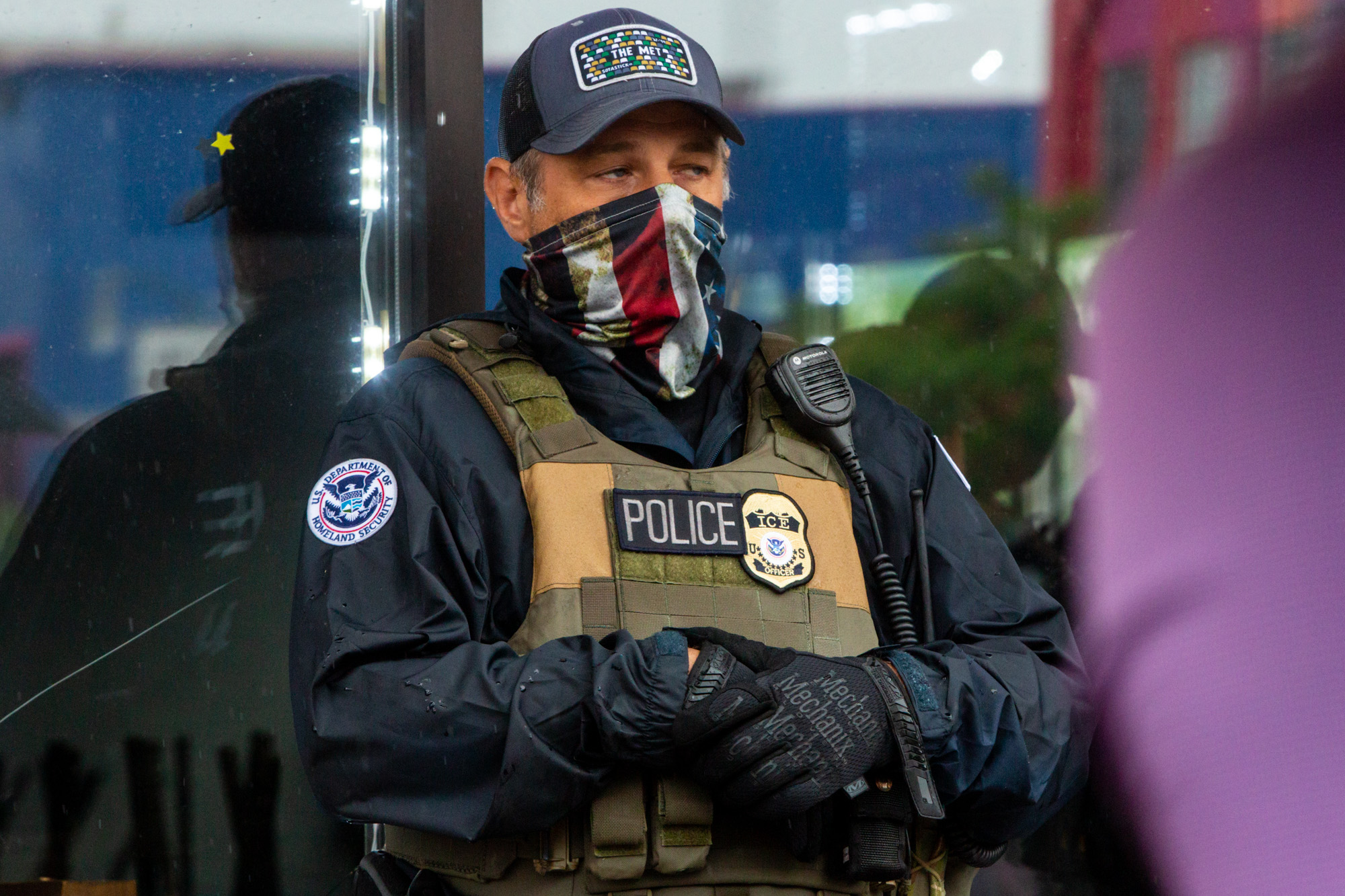
When ICE agents appear in your neighborhood, reporting that activity can help hundreds or thousands of community members stay safe and informed. But many people hesitate to report because they fear retaliation, exposure of their identity, or legal consequences. The truth is that reporting ICE activity anonymously is both legal and safe when done correctly. This guide explains exactly how to document and report ICE sightings, checkpoints, and raids while protecting your identity and your safety.
Why Anonymous Reporting Matters
Community-sourced reports of ICE activity serve a critical public interest function. When a community member reports that ICE agents are conducting operations on a particular street, at a bus station, or near a school, that information allows other residents to make informed decisions about their movements and safety. In 2026, with ICE operations expanding into interior cities and residential neighborhoods across the United States, real-time reporting has become one of the most effective tools for community protection.
Anonymous reporting also creates a documented record of enforcement activity. This record can be used by journalists investigating enforcement patterns, by civil rights attorneys challenging unconstitutional operations, by elected officials conducting oversight, and by community organizations advocating for policy changes. Every report contributes to a larger picture of how, when, and where ICE operates.
Platforms like ICE Spotted aggregate anonymous community reports into a real-time map, providing an at-a-glance view of enforcement activity across the country. No personal information is collected from reporters, no accounts are required, and no IP addresses are stored. The goal is simple: help communities share critical safety information without putting anyone at risk.
What to Document Before Reporting
The most useful reports contain specific, factual details about what was observed. Before submitting a report, try to safely document as much of the following information as possible. You do not need all of these details — any information is valuable — but the more specific your report, the more useful it is to your community.
Location Details
Note the street name, intersection, neighborhood, or landmark nearest to the activity. If possible, include the city and state. GPS coordinates are helpful but not required. Describe the specific location — for example, "parked outside the apartment building at 4th and Main" is more useful than "somewhere downtown."
Time and Duration
Record the time you first observed the activity and, if applicable, when it ended. ICE operations often follow predictable timing patterns, and time data helps community members understand when enforcement is most likely to occur in their area. Note the date as well, especially if you are reporting an event that happened earlier.
Vehicles
Count the number of vehicles involved. Note their types (SUV, van, sedan), colors, and any visible markings such as "POLICE," agency decals, or government plates. Also note whether the vehicles are marked or unmarked, and whether they have visible emergency lights (including concealed dash or grille lights).
Personnel
Estimate the number of agents you can see. Note what they are wearing — tactical gear, plainclothes, uniforms with agency markings. Look for vest labels ("POLICE," "ICE," "ERO," "HSI," "FEDERAL AGENT"), helmet markings, and DHS patches. Note whether agents are armed and what weapons are visible (handguns, rifles, less-lethal weapons).
Activity Description
Describe what the agents are doing: conducting a traffic stop, knocking on doors, entering a building, staging in a parking lot, questioning pedestrians, or conducting a checkpoint. Note whether they appear to be targeting a specific individual or location, or whether the operation appears to be broader in scope.
How to Report Safely: Step by Step
Step 1: Ensure Your Personal Safety First
Before documenting or reporting anything, make sure you are in a safe location. Do not approach active enforcement operations. Maintain a safe distance — at least 15 to 20 feet from agents — and do not interfere with their activities. You have the right to observe and record from public spaces, but your physical safety is the top priority. If agents direct you to move, comply with their instructions and relocate to another vantage point.
Step 2: Document from a Safe Distance
Use your phone to take photos or video from a safe distance. Record from behind a window, across the street, or from your vehicle. Focus on capturing vehicle types, license plates, agent uniforms, and the general scene. If you are recording video, narrate what you see — the time, location, number of vehicles and agents, and what is happening. This narration adds context that may not be visible in the footage.
Safety note: If agents approach you and ask you to stop recording, calmly state that you are exercising your First Amendment right to record in a public space. Do not physically resist if agents attempt to take your phone — you can file a complaint afterward. Your safety is more important than any recording.
Step 3: Submit Your Report Anonymously
Once you are in a safe location, submit your report. ICE Spotted uses an anonymous Google Form that collects no personal data. You do not need to create an account, provide your name, or log in. The form asks for the details described above — location, time, vehicles, agents, and a description of the activity. Fill in as much as you can and submit. Your report will be reviewed and added to the real-time activity map.
Step 4: Share with Your Community Network
After submitting your report, consider alerting your immediate community. Send a text message to neighbors, post in a community group chat, or share the information through a trusted community organization. Speed matters — ICE operations can be over within minutes, so getting information to affected community members quickly can make a significant difference.
Privacy tip: When sharing ICE activity information with others, use encrypted messaging apps such as Signal. Avoid posting your exact location or photos that reveal your home or workplace. Share the facts about the enforcement activity without identifying yourself as the source.
Protecting Your Digital Privacy
While ICE Spotted does not collect personal data, it is important to take additional steps to protect your digital privacy when reporting enforcement activity. These precautions are especially important if you or family members have pending immigration cases.
Use a VPN: A Virtual Private Network encrypts your internet traffic and masks your IP address. Use a reputable VPN service when submitting reports online. Many VPN services offer free tiers that are sufficient for occasional use.
Use private browsing: Open an incognito or private browsing window before visiting any reporting platform. This prevents your browser from storing your browsing history, cookies, or form data.
Strip photo metadata: Photos taken with smartphones contain metadata (EXIF data) that can include your GPS location, the time the photo was taken, and your device model. Before sharing photos, remove this metadata. On iPhone, you can toggle off location data in the Photos app before sharing. On Android, use the built-in "remove location" option or a free metadata removal app.
Use a secondary phone number: If a reporting platform requests a phone number (ICE Spotted does not), use a free secondary number from services like Google Voice rather than your personal phone number.
Legal Protections for Reporters
Reporting ICE activity is protected speech under the First Amendment. You have the right to observe, document, and share information about law enforcement operations conducted in public spaces. This right has been upheld by multiple federal circuit courts. In 2026, no federal law prohibits civilians from reporting the presence of law enforcement officers operating in public, and doing so is not considered obstruction of justice or interference with federal operations.
However, certain actions can cross the line from protected reporting into illegal interference. Do not physically obstruct agents, do not help individuals evade a lawful arrest, do not provide false information to agents, and do not trespass on private property to observe operations. Staying within these boundaries ensures that your reporting activity is fully protected by law.
ICE Activity Map
View community-reported ICE activity in real time. Every anonymous report helps.